close
Choose Your Site
Global
Social Media
Views: 0 Author: Site Editor Publish Time: 2026-07-08 Origin: Site


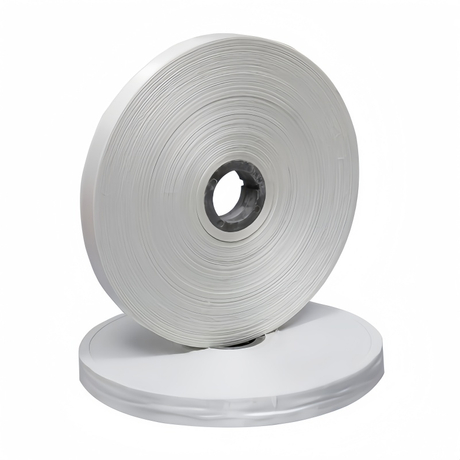
Thermal degradation remains a critical failure point in high-voltage environments. When temperatures spike, traditional cable insulation quickly degrades. This breakdown causes catastrophic operational failures. To mitigate this thermal stress, engineers rely on fiberglass tape for power cable. It actively prevents flame propagation. It maintains vital dielectric strength under severe loads. This material serves as a dependable thermal barrier.
We created this comprehensive guide for modern engineers and procurement teams. You face immense pressure to select reliable materials. Evaluating and specifying heat-resistant winding components requires careful analysis. In the following sections, we provide a data-driven framework. You will learn how to verify material properties. We will also explore crucial implementation guidelines. By understanding these variables, you can source the correct winding materials confidently. Proper selection ensures your cables survive harsh operational realities without failure.
Thermal Stability: Standard fiberglass tape maintains structural integrity at continuous operating temperatures where traditional synthetics fail.
Specification Variables: Core selection criteria hinge on precise thickness (e.g., 0.13mm to 0.2mm), weave density, and compatibility with binding resins.
Compliance & Sourcing: Reliable procurement requires verifying CE/RoHS compliance and reviewing Technical Data Sheets (TDS) before bulk ordering.
Installation Reality: Material performance relies heavily on proper winding tension and consistent overlap (typically 50%) during the cable manufacturing process.
You must frame the problem meticulously. High power transmission involves significant operational risks. Short circuits trigger instant, localized heat spikes. Environmental heat compounds these daily challenges. Overload scenarios push materials far past their designed limits. Standard insulation degrades rapidly during these thermal events. Materials like standard PVC and XLPE melt quickly. They lose structural integrity when exposed to extreme heat.
When traditional insulation breaks down, electrical tracking occurs. This phenomenon creates unintended conductive paths across the surface. These paths cause severe electrical faults. Proper fiberglass shielding disrupts this tracking mechanism completely. It maintains high dielectric strength even when surrounding temperatures exceed 400°C.
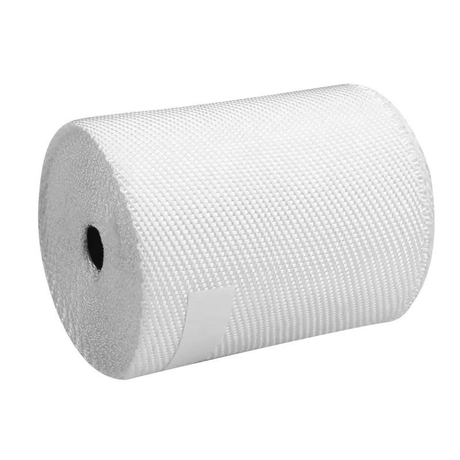
This is where heat-resistant fiberglass tape proves absolutely invaluable. Glass fiber inherently resists combustion by its chemical nature. It dissipates heat efficiently across its entire woven surface. It acts as a robust structural thermal barrier. It goes far beyond serving as a simple physical wrap. Engineers utilize E-glass yarns because they handle up to 500°C continuously. They do not emit toxic smoke during severe overloads. They prevent localized hot spots from damaging internal conductors.
You must define clear success criteria for your implementation. A successful design consistently passes strict flame retardancy tests. Industry standards like IEC 60332 represent a common benchmark here. The material must exhibit zero melt-drip behavior. Melt-dripping spreads fire to adjacent cable trays rapidly.
Furthermore, the tape must sustain flexibility after prolonged heat exposure. If it becomes brittle, the cable jacket will eventually crack. Cracked jackets invite moisture ingress. Moisture ultimately leads to catastrophic dielectric breakdown. Therefore, maintaining structural flexibility remains a primary engineering objective.
You must size up your materials carefully before mass production. Dimensional accuracy dictates your overall success. Specifying exact width and thickness matters immensely. For instance, a 30mm x 0.2mm profile ensures a highly uniform diameter. Precise dimensions prevent lumpy outer jackets during the extrusion process. You should enforce strict tolerances, such as +/- 0.02mm on thickness.
Engineers must differentiate between continuous temperature ratings and peak survival thresholds. Continuous ratings define daily operational limits under normal loads. Peak thresholds indicate temporary survival during emergencies or fault conditions. fiberglass insulation tape consistently outperforms alternative synthetics in continuous ratings.
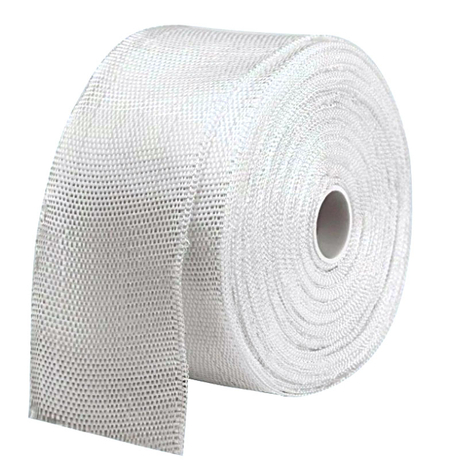
Weave construction and tensile strength also demand your full attention. The weave pattern directly impacts automated winding performance. Loose weaves often fray at high machine speeds. Tight, plain weaves handle immense mechanical tension gracefully. They prevent sudden snapping on high-speed production lines. They keep fibers aligned perfectly during the wrapping stage.
Resin compatibility adds another critical layer of complexity. Often, the tape acts as a permeable binding substrate. It must interact predictably when you apply impregnating varnishes. It must also bond securely when you extrude outer jackets over it. If the tape rejects the resin, delamination occurs instantly.
Consider these technical criteria when evaluating tapes:
Verify exact thickness tolerances across the entire sample roll.
Check the continuous operating temperature rating against system requirements.
Assess tensile strength limits for your automated winding equipment.
Confirm chemical compatibility against your specific liquid varnishes.
Test for edge fraying under high-speed mechanical stress.
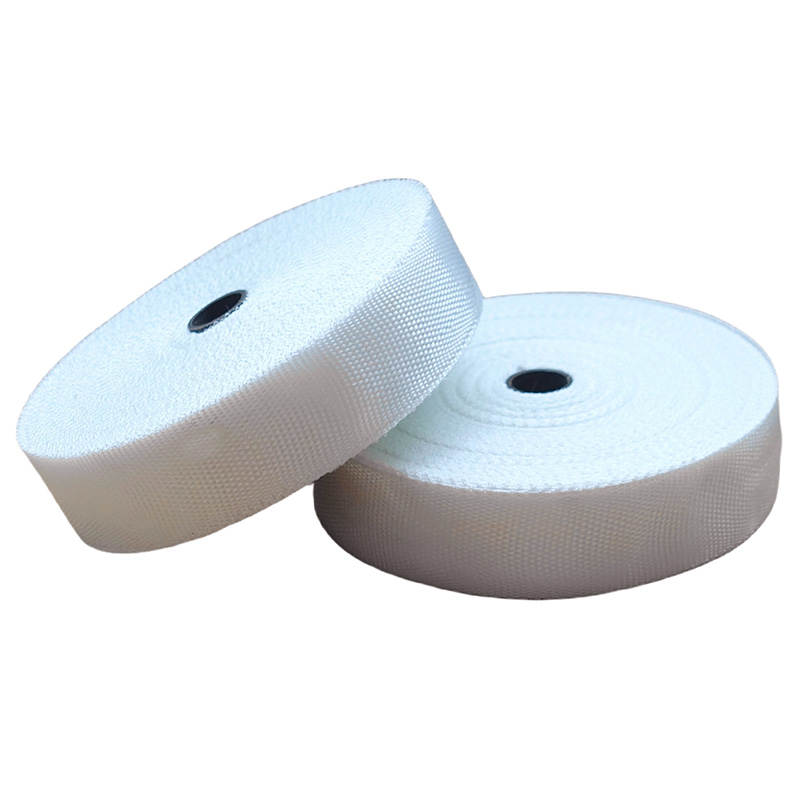
You have several options for cable winding applications. Choosing the right material requires understanding distinct operational trade-offs.
First, consider fiberglass versus mica tape. Mica offers superior fire survival for extreme temperature environments. We use it frequently for emergency circuit integrity. It keeps critical systems running during active facility fires. However, fiberglass provides significantly greater mechanical flexibility. It represents a highly cost-effective choice for standard manufacturing. It handles standard high-heat structural winding beautifully. It also delivers excellent abrasion resistance during cable pulling.
Next, compare fiberglass against polyester or synthetic tapes. Synthetics offer excellent multi-directional stretch. They conform easily to complex cable geometries. Unfortunately, they fail catastrophically under high thermal loads. They melt rapidly during short circuits. Conversely, fiberglass lacks natural stretch. Yet, it provides rigid, dependable thermal stability. You can rely on power cable wrapping tape during severe thermal events.
We use a simple selection logic heuristic in the field. Spec pure fiberglass for structural integrity and baseline heat resistance. Spec a composite tape if you require extreme fire-survival and rigid moisture barriers simultaneously.
Material Properties Overview
Material Type | Thermal Stability | Mechanical Flexibility | Stretch Capability | Primary Application |
|---|---|---|---|---|
Fiberglass Tape | Excellent (Up to 500°C) | Moderate | Low | High-heat structural winding |
Mica Tape | Extreme (Up to 1000°C) | Low | Very Low | Emergency circuit integrity |
Polyester Tape | Low (Melts ~150°C) | High | High | Low-voltage basic bundling |
Using these materials requires practical adjustments on the factory floor. Machine tolerances represent your first major production hurdle. Automated winding machines demand exact tension control continuously. Glass fiber breaks easily if mechanical tension spikes unexpectedly. Operators must calibrate equipment precisely before each run.
Modern winding machines often utilize closed-loop tension control systems. These systems monitor the tape tension in real-time. We recommend keeping tension below the material's specific tensile yield point. Excessive tension stretches the microscopic glass filaments. Stretched filaments eventually fracture. This ruins the continuous thermal barrier.
Overlap guidelines ensure long-term structural integrity. The industry standard dictates a 25% to 50% overlap. This consistency prevents dangerous gaps during installation. Gaps expose underlying components when the cable bends. Consistent overlap guarantees continuous thermal protection across the cable. Engineers must calculate the wrapping pitch carefully. The pitch determines the exact tape consumption per meter.
Handling and safety risks require proactive facility management. Processing glass fibers generates microscopic, irritating dust. This airborne dust irritates human skin and respiratory systems. Facilities must install proper industrial ventilation overhead. They must also utilize appropriate guides and pulleys. Smooth, polished pulleys minimize surface friction. Lower friction means less fiber breakage and less dust generation.
Best practices for factory implementation:
Calibrate mechanical tensioners before every new production run.
Monitor the wrapping overlap angle constantly via optical sensors.
Ensure all machine pulleys rotate smoothly without binding.
Provide operators with appropriate respiratory PPE and gloves.
Clean the winding machinery regularly to remove glass dust.
Your procurement strategy dictates your long-term manufacturing success. Supplier qualification is an absolute, non-negotiable requirement. You must vet international suppliers rigorously. Demand verifiable proof of ISO 9001 certification. Require traceable testing documents for all raw materials. Verify CE and RoHS compliance independently through third-party labs. Do not accept unverified marketing claims.
Sometimes standard catalog rolls fall short of your needs. This highlights the distinct advantage of an OEM fiberglass tape manufacturer. OEMs customize base materials for your exact specifications. They provide custom slit widths matching your cable outer diameter. They adjust roll lengths to minimize machine changeovers. They can even formulate proprietary binder coatings. This deep customization reduces scrap waste on your factory floor.
Testing and validation protect your initial capital investment. Procurement teams must mandate a detailed Technical Data Sheet (TDS). A proper TDS outlines specific performance metrics clearly. It should list tensile strength in Newtons per centimeter. It must specify the precise elongation percentage at the breaking point. It should also detail the exact binder content percentage. Reviewing these metrics prevents costly production delays down the line.
Never rely on simplified marketing brochures alone. Request sample rolls early in the qualification process. Run a comprehensive pilot winding test under actual conditions. Observe how the material behaves under typical factory tension. Measure the final cable outer diameter accurately. Complete all these validation steps before committing to high Minimum Order Quantities (MOQs).
Specifying the right heat-resistant wrapping material requires careful balance. You must weigh precise dimensional tolerances against demanding thermal requirements. You also must ensure complete manufacturing compatibility across your production lines. Proper tape selection actively stops catastrophic flame propagation. It ensures your power cables survive harsh operational environments reliably.
Take immediate action today to improve your cable designs. Review your current thermal class requirements carefully alongside your engineering team. Download a sample Technical Data Sheet to verify material capabilities independently. Contact dedicated engineering support for a custom application review. Expert guidance helps you achieve flawless manufacturing runs. Proactive material selection protects your infrastructure and your reputation.
A: Standard E-glass fiberglass materials typically handle continuous operating temperatures up to 500°C. Their peak survival threshold can briefly reach 600°C during sudden overloads. They provide excellent thermal stability compared to traditional synthetic wrappers, which usually melt or deform below 200°C.
A: Tape thickness directly impacts cable flexibility and the final outer diameter (OD). A standard 0.2mm thickness provides a reliable thermal barrier while maintaining enough flexibility for high-speed winding. Thicker tapes increase rigidity and overall OD, which may complicate jacket extrusion.
A: You should select a coated tape if you need to prevent fraying during high-speed automated winding. Uncoated tapes work best when the material must serve as a porous substrate. Uncoated versions allow impregnating varnishes and resins to penetrate deeply.
A: Yes, reputable OEMs routinely provide custom slitting services. They can cut the material to precise widths to match your specific cable diameters. This exact sizing optimizes your automated wrapping equipment and reduces material waste during production.