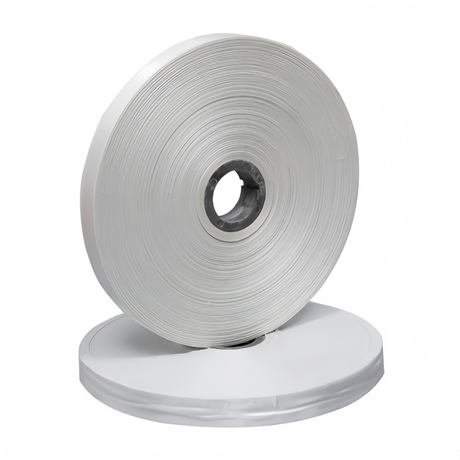
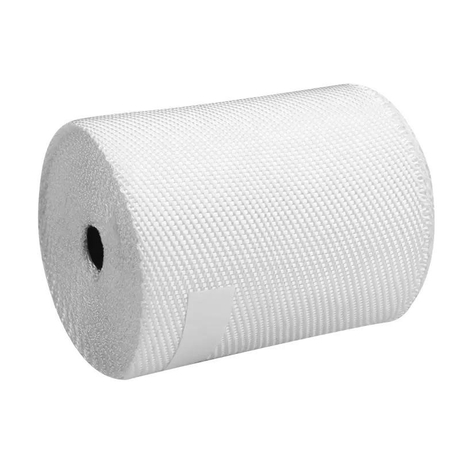
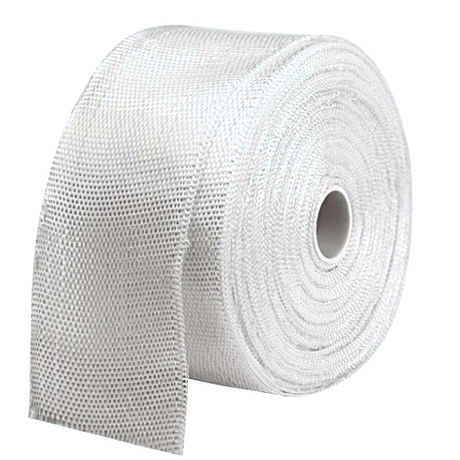
Power cable manufacturing needs specifications that are actionable at purchasing, incoming inspection, winding, and final quality stages. A vague request such as “heat-resistant fiberglass tape” leaves width, build, edge control, and finished-cable performance open to interpretation.For a width and construction reference within the supplied product range, compare fiberglass tape range, 30 mm cable-winding tape, 15 mm power-cable tape, 50 mm cable-winding tape. Each option should still be assessed against the required cable layer and winding process.
Quick answer
A usable Fiberglass Tape specification defines the tape, the winding operation, the finished-layer acceptance criteria, and the evidence needed to release material to production.
Define the operating decision first
Start with the tape identity: fiber type and weave where required, adhesive status, width, nominal thickness, mass per unit area, edge construction, roll length, and lot identification. The supplied 15 mm and 30 mm tape listings identify 0.2 mm and 210 g/m² versions for power cable winding; reference the desired product construction without assuming that one listing meets every cable design.
Then define how the material will be used: cable layer, diameter range, wrap direction, overlap, pitch, tension, line speed, guiding method, and any impregnation or binder system. This prevents a material that passes incoming inspection from failing later because the winding recipe was never defined.
Compare the variables together
Use 30 mm cable-winding tape and 15 mm power-cable tape as specific product references where their listed dimensions suit the design. A 50 mm cable-winding tape can be evaluated for broader paths, but width should never override the required build and conformity.
| Check | What to define | Selection effect |
|---|---|---|
| Tape identity | Construction, dimensions, roll and lot data | Makes purchasing and incoming checks objective. |
| Winding recipe | Layer, overlap, pitch, tension, guiding | Makes process output repeatable. |
| Finished layer | Coverage, edges, build, impregnation response | Confirms process suitability. |
| Change control | Any material or process revision | Prevents unqualified substitutions. |
Turn the choice into a purchase specification
Define acceptance at two levels. Material-level checks can confirm dimensions, visual condition, roll identity, and agreed construction. Process and finished-layer checks should confirm coverage, overlap, edge condition, diameter change, impregnation response where applicable, and any cable-level performance required by the product design.
A purchasing description should therefore state the tape construction, width, thickness, mass per unit area, roll length, edge requirement, intended wrap location, overlap, impregnation medium, and the temperature and electrical requirements of the completed cable. A width alone is not a complete specification.
Process and procurement controls
A useful review of How to Specify Fiberglass Tape for Power Cable Manufacturing begins with a process map. Identify the point at which tape enters the line, the guides it contacts, the direction of wrap, the core condition, and the inspection point at which coverage can still be corrected. This prevents a purchasing decision from being isolated from the conditions that determine the real result. Record the practical tolerance limits for width, winding position, overlap, and finished build. If the line uses different cable diameters or constructions, define which construction is the qualification reference and when a separate setting or trial is required. A clear process map also exposes hidden assumptions, such as an operator compensating for poor tracking by changing tension or overlap. Those compensations may hide a mismatch during a sample run and create inconsistency in production.
Material handling deserves its own specification section. Require packaging that keeps rolls protected until use, identify how roll orientation and unwinding direction are controlled, and set a method for checking edge damage, contamination, loose yarns, or deformation before the roll reaches the winding head. The inspection should distinguish a cosmetic condition from one that may influence coverage or impregnation. Keep lot identity with the roll through issue to the line, because traceability is useful only when it can link an observed winding result back to a defined incoming batch and process setting. When the same tape is used on more than one product, retain the application record rather than assuming the earlier use proves suitability for every later cable design.
The verification plan should test the failure modes that matter for a controlled material-and-process specification. Inspect the start and finish zones as well as the middle of the wrap; edge behaviour can differ at changes in acceleration or diameter. Check the layer before and after any downstream consolidation, drying, varnish, resin, or jacket operation that can alter its position and thickness. Compare the measured construction with the design allowance and decide in advance how out-of-tolerance material will be segregated, reviewed, or reworked. A useful qualification result includes the settings used, the sample construction, the observations, and the acceptance conclusion. It is more valuable than a pass/fail statement with no record of the conditions that produced it.
Cost should be considered as total conversion cost rather than roll price alone. A nominally lower-cost tape can increase line time if it requires lower speed, frequent adjustment, additional trimming, or rework from inconsistent overlap. A wider roll can reduce the number of passes yet increase scrap if it does not follow the geometry. Similarly, a change that reduces dry material usage may increase the finished build after consolidation. Compare candidate tape options at the planned production speed and on the actual cable construction, then include material yield, setup time, inspection burden, and nonconformance risk in the decision. This gives procurement and manufacturing a shared basis for selection.
For a request for quotation, make the “must have” and “to be confirmed” items visible. Must-have items may include the tape construction, dimensions, roll format, edge condition, identification, and the intended winding recipe. To-be-confirmed items can include the final overlap setting, impregnation response, finished build, and any product-level test evidence that depends on the final cable assembly. This separation avoids asking a tape supplier to guarantee a finished-cable result without the information needed to evaluate it. It also allows both sides to agree a sample plan before the purchase order fixes an unsuitable combination of material and process.
Finally, manage changes deliberately. A substitute roll, a new width, a revised weave, a different resin system, or an adjustment in tension can be small in isolation but meaningful in the finished wrap. Define which changes need a documented technical review, a line trial, or updated acceptance samples. Preserve approved reference samples where practical and make their condition, date, and use clear. These controls are especially important for How to Specify Fiberglass Tape for Power Cable Manufacturing, because repeatability comes from the combination of material and process rather than from a product name alone.

Run a representative qualification wrap
Keep change control explicit. A change in width, thickness, weave, supplier lot, coating, resin, tension, or overlap can alter the finished construction. Treat it as a controlled change that may require a new trial rather than as a simple purchasing substitution.
- Use the intended cable construction, not a convenient substitute.
- Record tension, overlap, pitch, and line speed.
- Inspect dry coverage and the completed impregnated build where applicable.
- Agree acceptance checks before scaling to production.
Confirm samples and acceptance criteria before a production order. The practical questions are whether the tape tracks through the winding process, stays centred at the required tension, accepts the chosen impregnation system, and produces the required finished build without wrinkles, gaps, or unacceptable diameter growth.
Release controls for production use
Before release, make the requirements usable by the people who receive, wind, inspect, and approve the material. The purchase order, incoming check sheet, winding instruction, and final inspection record should use the same names for the tape and the same units for width, thickness, mass per unit area, overlap, and finished build. Define the sample quantity, measurement locations, acceptable visual conditions, and escalation path for any deviation. This avoids a common handover failure in which procurement receives a correct-looking roll but production has no agreed method for deciding whether its behaviour is acceptable on the actual cable. The goal is repeatable evidence, not a one-off satisfactory wrap.
Keep the approval record proportional to the risk of the application. For routine work, it may be a documented sample run and agreed inspection criteria. For a cable design with specified electrical, thermal, marine, or customer acceptance requirements, the record should also identify the applicable completed-product tests and the party responsible for confirming them. Do not merge material-level checks with claims about finished-cable performance unless the final assembly and conditions have been evaluated. This boundary helps buyers compare supplier information fairly while retaining responsibility for the cable design, process validation, and target-market obligations.
Questions that prevent avoidable rework
Before confirming a production specification, ask how the tape will be stored, how long it may remain on the line after opening, which winding settings are locked, and which settings an operator may adjust. Ask whether the cable diameter changes within a batch, whether the wrap must pass joints or transitions, and whether the material encounters any subsequent thermal, chemical, or mechanical process. These questions are not paperwork for its own sake. They determine whether an approved sample represents normal production or only a favourable demonstration. Make the production instruction clear enough that a shift change does not alter the layer construction without anyone noticing.
It is also useful to agree the visual language used in inspection. Define what counts as a wrinkle, a gap, an edge lift, a loose yarn, or excessive overlap, and use photographs or retained samples if the parties need a common reference. State where measurements are taken and whether a local variation is judged on its maximum value, its average value, or a defined sampling plan. If an issue is discovered, record the roll identity, line settings, cable construction, and downstream process condition before changing several variables at once. This discipline shortens root-cause review and protects a workable specification from being changed on assumption rather than evidence.
Confirm the decision boundary
Set the decision boundary before the trial begins. State which result would confirm suitability, which result would require adjustment, and which result would require a different material or cable construction. This makes the trial informative even if the first sample is not acceptable. It also keeps technical evidence aligned with the intended application rather than with an assumed general-purpose use.
Conclusion
A strong specification connects material data to a repeatable cable-manufacturing process. Jiangxi Mingchen New Materials Co., Ltd. manufactures fiberglass composite materials and lists 15 mm, 30 mm, and 50 mm woven tape options for cable winding. Buyers gain more control when they specify those products with the winding recipe and finished-layer acceptance criteria, not as a width-only request.
FAQ
What belongs in a Fiberglass Tape specification?
Include material construction, dimensions, roll and lot data, intended winding recipe, acceptance checks, and required finished-cable evidence.
Is nominal thickness enough for approval?
No. Evaluate thickness with width, overlap, impregnation response, and the completed cable build.
Why specify lot identification?
It supports traceability and controlled response if incoming inspection or production results differ.
When should a new winding trial be run?
Run one after a meaningful material or process change that may alter coverage, build, or finished-layer behaviour.