

close
Choose Your Site
Global
Social Media
Views: 0 Author: Site Editor Publish Time: 2026-06-13 Origin: Site


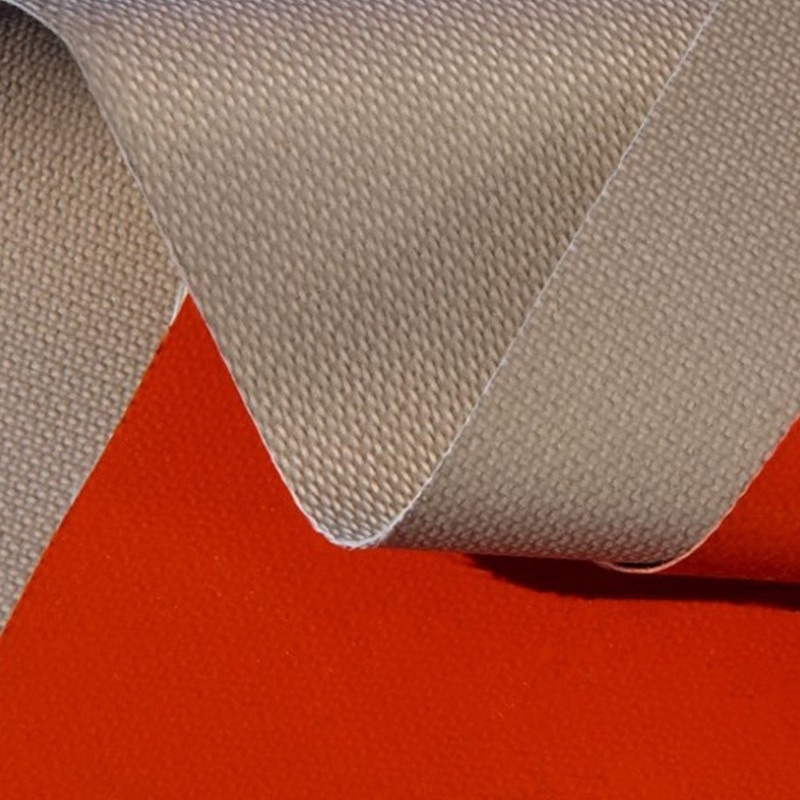
Industrial thermal management presents a continuous challenge for modern facilities. Standard insulation often degrades rapidly under extreme heat. It can fail prematurely. Such failures pose significant environmental and handling hazards for operators. Facilities need safer, more durable options to maintain operational integrity. Basalt fiber woven tape offers an ideal solution. Manufacturers derive this advanced material directly from extruded volcanic rock. It serves as a highly robust, non-combustible alternative. You can use it instead of traditional fiberglass or dangerous asbestos materials. You can rely on it confidently for extreme environments.
This comprehensive guide equips procurement teams, engineers, and facility managers with essential technical data. We will cover critical application parameters and strict sourcing criteria. You will learn exactly how to evaluate and specify this material for your most demanding high-heat environments. Making the right material choice directly protects your personnel and your equipment.
Temperature Thresholds: Operates effectively at continuous temperatures up to 1200°F (650°C) and handles short-term exposure up to 1400°F (760°C).
Material Superiority: Made from 100% volcanic rock fiber tape, offering superior tensile strength, chemical resistance, and lower environmental impact compared to standard E-glass fiberglass.
Primary Use Cases: Engineered for automotive/marine exhaust pipe wraps, industrial pipe insulation, and high-heat cable/hose protection.
Handling & Safety: Highly flexible, non-toxic, and causes significantly less skin irritation during installation than traditional silica or fiberglass alternatives.
Plant managers and engineers face difficult decisions daily. They must balance thermal efficiency, longevity, worker safety, and material budgets. Choosing a reliable industrial heat resistant tape requires careful analysis. Different materials perform vastly differently under sustained thermal stress. You must select the right compound for your specific operational demands.
Standard E-glass fiberglass is the most common baseline insulation material. However, basalt significantly outperforms standard E-glass in extreme conditions. E-glass typically degrades around 1000°F. Basalt pushes continuous operating limits much higher. It outperforms standard E-glass by roughly 200°F to 300°F. Furthermore, basalt offers exceptional resistance to thermal cycling. Rapid heating and cooling cycles often fracture standard fiberglass filaments. Basalt maintains its structural integrity. It also resists vibratory degradation exceptionally well. High-vibration environments destroy brittle insulation, but basalt holds strong.
Ceramic fiber definitely provides a higher absolute temperature ceiling. Some ceramic tapes easily withstand 2000°F. However, ceramic has notable drawbacks. Basalt offers distinct advantages in flexibility and structural integrity. Ceramic fibers tend to be highly brittle. They break easily during installation around tight radiuses. More importantly, ceramic often presents a respirable hazard profile. Microscopic ceramic fibers can become airborne and enter the lungs. Basalt provides a zero-respirable-hazard profile. It bends easily and keeps your workforce safe.
Modern facilities must adhere to strict environmental regulations. Standard insulation tapes often contain toxic binders or sizing agents. These chemicals release harmful fumes when heated. Basalt fiber completely lacks these toxic binders. It originates naturally from melted volcanic rock. This natural origin supports greener facility compliance. Using natural mineral fibers aligns well with modern sustainability initiatives. It reduces the release of volatile organic compounds during initial heat cycles.
Material Performance Comparison Chart | |||
Material Type | Continuous Temp Limit | Flexibility | Handling Safety |
|---|---|---|---|
Standard E-Glass Fiberglass | 1000°F (537°C) | Moderate | Skin irritant |
Basalt Fiber Tape | 1200°F (650°C) | High | Low irritant, non-toxic |
Ceramic Fiber Tape | 2000°F (1093°C) | Low (Brittle) | Respirable hazard |
Engineers deploy these advanced tapes across multiple demanding sectors. The physical properties of the tape dictate its primary use cases. Understanding how it performs in the field helps you optimize your own installations.
The physics of exhaust pipe wraps are fascinating. You wrap the exhaust manifold or header tightly. This action retains extreme heat inside the metal piping. Heat retention increases exhaust gas velocity. Faster moving gases create a scavenging effect. This effect efficiently pulls spent gases out of the engine cylinders. Ultimately, this improves overall engine efficiency and increases horsepower. Wrapping also dramatically lowers ambient temperatures. You can reduce under-hood or engine room temperatures by up to 50%. This protects sensitive plastic components and electronic wiring from melting.
Petrochemical plants and foundries utilize complex piping networks. These networks carry steam, thermal fluids, and hydraulic oils. Uninsulated pipes lose massive amounts of thermal energy. They also pose severe burn hazards to personnel. You can wrap these lines tightly with high-performance insulation tape. This prevents accidental personnel burns. It also locks thermal energy inside the system. By maintaining fluid temperatures, you improve process efficiency. You also protect nearby hydraulic hoses from radiant heat degradation.
Electrical cables face constant threats in heavy industrial environments. Steel mills and welding shops generate molten metal splash. They produce intense welding sparks and extreme radiant heat. You can apply this tape as a protective shielding layer. It forms a physical barrier against these intense hazards. The tight weave repels molten splash instantly. Sparks bounce off the surface without igniting. This protection prevents catastrophic electrical shorts and fires.
Procurement teams need hard data to make informed sourcing decisions. Relying on vague marketing claims leads to equipment failure. You must evaluate specific technical metrics before purchasing any high temp tape for your facility.
The most critical metric is the Continuous Operating Temperature (COT). This material sustains a COT up to 1200°F (650°C). It can also survive short-term spikes. The Peak or Melt Temperature approaches 1600°F (870°C). Beyond these thresholds, the material will begin to vitrify and fail. The material also features extremely low thermal conductivity rates. Low conductivity means heat struggles to pass through the weave. This ensures maximum insulation efficiency over long operational periods.
Suppliers offer standard availability in various dimensions. You will typically find widths ranging from 1-inch to 4-inch rolls. Standard thicknesses range from 1/16-inch to 1/8-inch. The specific thickness dictates the thermal barrier capacity. Thicker tapes insulate better but bend less easily around tight curves. Weave tightness matters immensely. A tight weave prevents fraying during installation. It also stops heat from escaping through gaps in the fabric.
Industrial environments expose tapes to harsh chemicals. This material resists degradation from most alkalis and mild acids. It easily survives accidental oil spills in engine rooms. Furthermore, the extruded rock filaments do not absorb water. Moisture simply rests on the surface or evaporates under heat. This inherent moisture resistance prevents rot. It also prevents the tape from losing its insulative properties in humid marine environments.
Mechanical stress destroys weak insulation. You need high tensile strength in high-vibration environments. Generators and marine engines vibrate violently during operation. This material provides exceptional baseline expectations for mechanical stress resistance. It stretches very little under tension. Low elongation ensures the wrap stays tightly bound to the pipe. It will not sag or loosen over years of heavy operational use.
Standard Technical Specifications | |
Property | Typical Value / Specification |
|---|---|
Continuous Operating Temperature | 1200°F (650°C) |
Maximum Peak Temperature | 1600°F (870°C) |
Standard Widths Available | 1 inch, 2 inch, 4 inch |
Moisture Absorption | Near Zero (Non-absorbent) |
Buying the right material represents only half the battle. Poor installation ruins even the best insulation. Your maintenance team must follow strict protocols to ensure safety and performance. Proper techniques guarantee long-term thermal stability.
Mechanics often debate whether to wet the tape before wrapping. Wetting definitely increases temporary flexibility. It helps the tape grip complex pipe bends. However, basalt inherently possesses excellent pliability. It generally wraps very well while completely dry. Dry wrapping saves significant time. It also eliminates the mess associated with soaking insulation. Evaluate the complexity of your pipe bends before deciding. For straight runs, always dry wrap.
Consistent wrapping techniques dictate success. Follow these precise steps for optimal results:
Anchor the beginning of the roll firmly to the pipe using a stainless steel tie.
Pull the tape tightly as you begin to wrap around the circumference.
Maintain a consistent overlap margin of 25% to 50% on every single pass.
Secure the final wrap tightly with another stainless steel locking tie.
Proper overlap ensures optimal thermal locking. It prevents gaps from opening up as the pipe expands under heat. Stainless steel ties provide essential structural stability.
You must transparently warn users about the initial heat cycle. Manufacturing processes apply light sizing agents to the fibers. These agents help the looms weave the rock smoothly. When you first heat the installed wrap, these agents will burn off. This creates a noticeable smoke and odor. This curing phase typically lasts for the first 30 to 60 minutes of operation. The smoke is entirely harmless. However, you should ensure proper ventilation in confined spaces to avoid alarm.
We established earlier that this material causes significantly less skin irritation than fiberglass. However, you must still maintain credible safety standards. Micro-abrasions can still occur during extensive handling. Your installation teams should follow these basic PPE best practices:
Wear durable nitrile or leather work gloves.
Keep arms covered with long sleeves.
Wear standard safety glasses to protect against stray fibers.
Use a basic dust mask in poorly ventilated areas.
The global market floods industrial buyers with varying quality levels. Sourcing reliable materials requires strict vendor vetting. You must look beyond simple price points. Evaluate the underlying construction and manufacturer credentials.
Beware of cheap substitutes. Shady suppliers often blend a small amount of basalt with lower-grade fiberglass. They then market it as premium tape. These blends fail spectacularly at higher temperatures. Always advise buyers to request detailed technical data sheets. You must demand proof of 100% continuous filament construction. Sourcing pure volcanic rock fiber tape guarantees the thermal performance you paid for.
Examine the edges of the tape carefully. Low-quality tapes feature rough, raw edges. These edges unravel rapidly during tight-radius wraps. Once a tape starts unraveling, it loses structural integrity quickly. Premium manufacturers provide finished or heat-treated edges. Treat edge construction as a non-negotiable requirement. Finished edges lock the weave in place. This ensures a clean, professional installation that lasts for years.
Business-to-business procurement requires strict compliance documentation. Highlight the importance of facility certifications. Look for suppliers holding ISO 9001 certification. This proves they maintain rigorous quality management systems. Verify RoHS compliance if your industry demands it. Marine and automotive sectors often require specific regulatory approvals. Gathering these certifications upfront prevents compliance headaches during facility audits.
Off-the-shelf dimensions rarely fit every single application perfectly. Evaluate whether the supplier can accommodate custom widths or unique thicknesses. Some suppliers offer adhesive backings for easier installation. However, you must clearly understand the limitations here. Typical adhesives burn off completely at temperatures above 300°F. If you need true high-temperature performance, rely strictly on mechanical securement. Use basalt tape without adhesive for any extreme heat application.
Advanced insulation materials transform facility safety and efficiency. This woven tape stands as the perfect pragmatic middle ground. It bridges the gap between standard fiberglass and expensive ceramic tapes. It delivers incredibly high durability and heat resistance without introducing handling hazards. Your teams can install it safely and quickly.
Your procurement team should take immediate action. First, audit your facility to identify maximum operational temperatures. Second, measure your critical pipe circumferences. Use these measurements to calculate exact yardage requirements. Proper planning prevents material shortages during critical maintenance shutdowns.
Do not wait for standard insulation to fail. Prompt your engineering team to download a comprehensive technical data sheet. Request a physical material sample from a reputable supplier. Contact engineering support today to secure bulk B2B pricing for your next major facility overhaul.
A: No. It consists of 100% natural volcanic rock. Manufacturers melt and extrude the rock into continuous filaments. It contains absolutely zero asbestos and produces no hazardous respirable fibers, making it extremely safe for operators to handle and install.
A: Yes. It exhibits excellent UV resistance and weather durability. The natural stone composition does not degrade under direct sunlight. It also resists moisture absorption, making it highly effective for outdoor pipe and exhaust applications.
A: There is no actual titanium metal in "titanium" exhaust wrap. Many aftermarket brands market pulverized lava rock or basalt fiber under the trade name "titanium wrap" for marketing purposes. They are fundamentally the exact same material.
A: Standard woven versions do not feature adhesive backings. Extreme industrial heat quickly destroys typical adhesives, rendering them useless. You must mechanically secure the tape around pipes using stainless steel locking ties or heavy-duty metal hose clamps.


