

close
Choose Your Site
Global
Social Media
Views: 0 Author: Site Editor Publish Time: 2026-06-12 Origin: Site


Hot work remains a primary cause of severe industrial fires annually. Procuring the correct high-temperature barrier ensures vital operational safety. It protects expensive assets across your facility. It also maintains strict regulatory compliance during daily tasks. Generic heat-resistant fabrics often fail under heavy slag. Relying on unverified fabrics risks catastrophic thermal bleed-through. A single stray spark can quickly ignite nearby flammables. You need dependable, rigorously tested solutions.
This guide provides a comprehensive decision-stage framework. We evaluate raw fibers and specialized coatings in depth. We compare essential treatment technologies thoroughly. You will learn to match material specifications to exact industrial hot-work applications. Our practical insights help you avoid common procurement mistakes. We prioritize worksite safety and reliable performance.
Baseline Thermal Limits: Standard uncoated fiberglass sustains continuous heat up to 1,000°F (537°C), but specialized coatings are required for direct molten slag deflection.
Application Distinction: A standard fire protection blanket (for smothering flames) is structurally distinct from a welding blanket (designed to deflect continuous spatter and thermal shock).
Coating Dictates Performance: Silicone, vermiculite, and acrylic coatings determine whether the blanket handles light sparks, vertical drops, or heavy horizontal slag.
Compliance Matters: Enterprise-grade industrial fire safety material must carry verifiable certifications (e.g., FM Approved) to satisfy insurance and OSHA requirements.
Fiberglass serves as the ultimate foundation for industrial heat defense. The underlying physics explain its incredible success. Woven fiberglass offers excellent thermal insulation properties. It features extremely low thermal conductivity naturally. Many organic fabrics require harsh, temporary chemical treatments to resist flames. Woven fiberglass provides inherent non-combustibility from the start. It blocks intense heat transfer naturally and safely.
We must understand specific temperature thresholds to ensure worker safety. We rely on data-driven facts for these limits. Performance varies based on the exact exposure timeframe.
Continuous Exposure: Raw fiberglass handles ambient heat up to 1,000°F (537°C) safely. It sustains this temperature without degrading structurally.
Intermittent Exposure: It survives quick thermal excursions up to 1,500°F+. Short-term thermal shocks rarely compromise high-density woven fibers.
Weight and specialized coatings increase these limits significantly. We evaluate tensile strength heavily during procurement. Tear resistance matters deeply on a busy shop floor. We measure weave density in ounces per square yard (oz/sq yd). Proper density dictates structural integrity under immense physical stress.
Heavier densities withstand severe mechanical wear easily. A heavy 32 oz/sq yd fabric survives heavy boots and dropped tools. Lighter weaves might tear quickly under similar abuse. You need robust industrial fire safety material to prevent workplace accidents. Proper specification keeps your workforce completely protected during hazardous operations.
Many professionals confuse different heat-resistant fabrics. We must examine the "Smother vs. Deflect" paradigm closely. A standard fire protection blanket serves one specific, vital purpose. It deprives a localized fire of ambient oxygen. These emergency tools are typically much lighter. You use them once during a sudden crisis. They smother small, unexpected flames rapidly.
Conversely, a true welding blanket deflects continuous, aggressive spatter. It handles severe thermal shock repeatedly. Manufacturers treat these heavier variants for daily abrasive use. They deflect sparks and hot slag away from vulnerable machinery.
Orientation matters immensely during setup. The specific drop angle changes everything about material selection. Vertical curtains shed flying sparks easily. Gravity helps pull the hot debris downward quickly. Horizontal drop pads catch heavy slag directly. Horizontal applications require much heavier fabric weights. You also need highly specialized coatings for any horizontal setups.
Material overlap certainly exists in today's safety market. High-end heat resistant cloth bridges this functional gap perfectly. You can use premium cloth for dual purposes safely. Proper specification ensures it functions reliably in both roles.
Feature | Fire Protection Blanket | Welding Blanket |
|---|---|---|
Primary Function | Smothering active flames | Deflecting sparks and hot slag |
Weight Class | Lightweight (often 18 oz or less) | Heavyweight (up to 35+ oz) |
Reusability | Single emergency use recommended | Highly reusable and abrasion-resistant |
Orientation | Draped directly over the hazard | Hung vertically or laid horizontally |
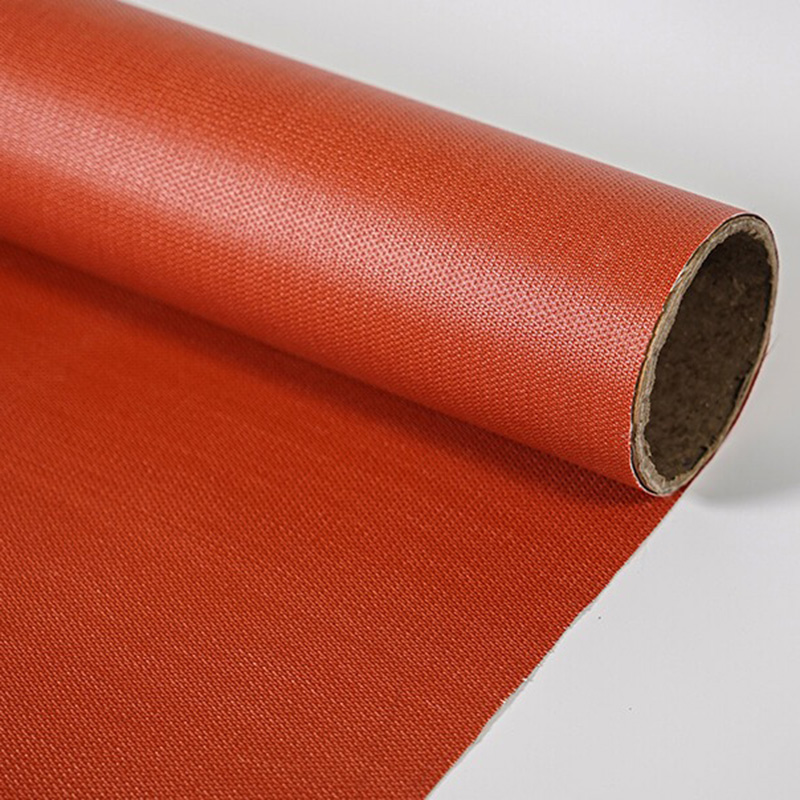
Raw fiberglass provides an excellent starting point. However, chemical coatings transform the material entirely. They dictate exactly where you can deploy the fabric safely.
Uncoated (Raw) Fiberglass: Raw material remains highly cost-effective for basic needs. It provides excellent ambient heat shielding around hot pipes. However, it frays easily under mechanical stress. Raw weaves absorb dangerous fluids rapidly. Handling it causes severe "fiberglass itch" on unprotected skin. It fails quickly under heavy horizontal slag.
Silicone-Coated Fiberglass: Silicone provides a tough, rubberized exterior. It creates a highly water-resistant and oil-resistant barrier. Silicone sheds light-to-medium weld spatter efficiently. It vastly improves handling safety for your workers. The smooth coating locks irritating glass fibers safely inside. It represents a fantastic choice for dirty, oily environments.
Vermiculite-Treated Fiberglass: Vermiculite tackles extreme industrial heat flawlessly. It disperses thermal energy rapidly across the entire surface area. This represents the absolute gold standard for heavy-duty applications. You need vermiculite for high-temperature horizontal surfaces. It catches heavy, molten slag without burning through the weave.
Acrylic-Coated: Acrylic suits light-duty shop environments perfectly. It excels at basic spark containment during grinding tasks. The coating actively prevents airborne fiberglass particulates from escaping. It keeps the work environment clean and safe. It offers moderate abrasion resistance for daily tasks.
Coating Type | Ideal Use Case | Slag Resistance | Fluid Resistance |
|---|---|---|---|
Uncoated | Ambient heat shielding | Poor | Poor (Absorbs) |
Silicone | Oily environments, light spatter | Moderate | Excellent |
Vermiculite | Heavy welding, horizontal catch | Excellent | Moderate |
Acrylic | Grinding sparks, light duty | Low | Good |
How do you shortlist and specify the right fabric? Dimensional accuracy is an absolutely crucial first step. You must factor in natural drape and minor heat shrinkage. Proper coverage area ensures complete safety for workers and equipment. A small 4x6 pad suits localized automotive protection well. A massive 6x10 curtain isolates heavy industrial zones entirely.
Hardware details require strict, uncompromising attention. Fabrication quality determines actual field longevity.
Grommets: Brass eyelets prevent the fabric from tearing. Space them strictly every 18-24 inches. Reinforced hems are absolutely mandatory for heavy curtains. They allow safe, tear-resistant suspension from ceiling tracks.
Stitching: Standard cotton thread burns away instantly. Manufacturers must use premium Kevlar or specialized fiberglass thread. This prevents catastrophic seam failure under extreme localized heat.
Certifications prove actual laboratory performance. Look far beyond shiny marketing claims and cheap imports. Verify official "ANSI/FM 4950" approval immediately. This rigorous certification covers welding pads, blankets, and curtains comprehensively. Facilities following OSHA guidelines often mandate FM approved materials.
Finally, evaluate the cost-to-lifespan ratio carefully. Balance the upfront cost of premium fabrics. Compare them against the frequent replacement rate of generic alternatives. Silicone or vermiculite models cost slightly more initially. However, they consistently outlast raw weaves by many months. Investing in durable materials reduces procurement headaches significantly.
Even the finest materials have physical limitations. Understanding these inherent risks prevents disastrous shop accidents. Workers must recognize when a fabric reaches its breaking point.
Thermal bleed-through is a major hidden hazard. A premium fire blanket fiberglass material will not burn. However, extreme heat still transfers conductively through the blanket. Underlying wooden or painted surfaces may ignite from this unseen heat. You often require a dedicated air gap beneath the fabric. Sometimes, secondary insulation is strictly necessary for maximum safety.
Chemical contamination presents another highly subtle danger. Uncoated weaves absorb ambient liquids like dry sponges. Oil, grease, or chemical solvent saturation is extremely risky. These trapped fluids turn a fire retardant tool into a dangerous localized hazard. A saturated pad might ignite despite the non-combustible glass fibers underneath.
Physical degradation happens rapidly in tough industrial environments. You must identify signs of end-of-life early. Look for heavily frayed hems constantly during daily inspections. Replace protective curtains missing multiple brass grommets. Compromised or peeling coatings signal immediate failure risks. Establish strict, non-negotiable replacement protocols to maintain total facility compliance.
Successful procurement demands careful, educated matching. You must pair the fiberglass coating and fabric weight correctly. Match them to the specific heat intensity of your daily tasks. Consider the expected slag volume and drop angle carefully before purchasing.
Take proactive steps today to secure your facility. Conduct an immediate audit of your current hot-work environments. Assess your specific vertical versus horizontal protection needs thoroughly. Always request detailed technical specification sheets from your suppliers. Verify all necessary FM approvals before finalizing bulk purchases. Protecting your workforce requires precision, superior materials, and continuous vigilance.
A: Uncoated fiberglass sustains continuous temperatures up to 1,000°F. Specialized treatments push this baseline limit much higher. Vermiculite-coated blankets can withstand intermittent thermal shock up to 1,500°F or even 2,000°F. Always check the manufacturer's specific rating based on the exact coating applied.
A: No, you should never machine wash these technical blankets. Washing vigorously degrades the protective weave structure. It also strips away critical chemical treatments like silicone or vermiculite. Instead, gently spot-clean coated variants using a damp cloth. If a blanket absorbs heavy oils, discard and replace it.
A: Raw fiberglass sheds microscopic glass particulates easily. These sharp particles embed in unprotected skin, causing severe itching. Premium blankets prevent this annoying issue entirely. Manufacturers encapsulate the raw fibers using thick silicone or acrylic coatings. These coatings lock the itchy fibers safely in place.
A: Uncoated fiberglass handles ambient heat exceptionally well. However, it fails completely under heavy, molten slag. Molten metal can melt directly through an uncoated, unprotected weave. For heavy slag applications, you must use a vermiculite-treated blanket. Vermiculite rapidly disperses intense, localized heat away from the impact zone.


