

close
Choose Your Site
Global
Social Media
Views: 0 Author: Site Editor Publish Time: 2025-11-07 Origin: Site


Choosing the right fiberglass fabric can make or break your project’s success. But how do you ensure optimal performance in extreme conditions? Understanding the properties of fiberglass fabric is crucial. In this post, you'll learn about its composition, types, and applications. We'll guide you through selecting the best fabric for your needs.
Fiberglass fabric consists of fine glass fibers spun into threads and woven into cloth. These fibers originate from melted silica, transformed into thin strands. The fabric combines these strands to create a material known for its tensile strength and resistance to heat, corrosion, and many chemicals. This composition makes it ideal for use in extreme conditions requiring durability and stability.
Fiberglass fabric comes mainly in two types: woven and non-woven.
Woven Fiberglass Fabric: Made by interlacing fibers in specific patterns. Common weaves include:
Plain Weave: Each thread crosses over and under one thread alternately, resulting in a balanced, tightly woven cloth with good strength and stability.
Twill Weave: Threads cross over two or more threads, creating a diagonal pattern. It offers better flexibility and drapability than plain weave.
Satin Weave: Features threads floating over several strands before going under one, producing a smooth, lustrous surface with excellent drapability. Often chosen for applications where appearance matters.
Non-Woven Fiberglass Fabric: Created by bonding fibers together via heat, chemicals, or mechanical means instead of weaving. This type offers versatility for specialized uses such as filtration, insulation, and sound absorption.
Fiberglass fabric’s unique properties make it valuable across many sectors:
Aerospace and Defense: Used in lightweight aircraft parts, missile casings, and protective gear due to its strength and heat resistance.
Automotive: Reinforces body panels and interior components, reducing vehicle weight without sacrificing safety.
Construction and Infrastructure: Strengthens concrete structures, composites, and provides thermal insulation.
Marine: Essential in boat hulls and decks for water resistance and durability.
Sports and Recreation: Incorporated in equipment like kayaks, surfboards, and skis, combining lightness with toughness.
Each industry selects fiberglass fabric based on specific performance needs, such as flexibility, strength, or resistance to environmental factors.
Choosing the right fiberglass fabric for extreme conditions involves several key factors. Each factor ensures the fabric meets your project’s demands and performs reliably over time.
First, consider how you will use the fiberglass fabric. Different applications need different properties. For example, marine use demands water resistance and durability against salt, while aerospace applications require lightweight and high-strength fabric. Knowing your application helps narrow down options.
Fiberglass fabrics vary in strength and durability. If your project faces heavy mechanical stress, choose a fabric with high tensile strength and tear resistance. Plain weave fabrics often provide good strength and stability, while twill weave offers better flexibility but slightly less strength. For extreme durability, thicker fabrics or those with special coatings might be necessary.
Extreme conditions often mean exposure to high or low temperatures and harsh chemicals. Check the fabric’s resistance ratings. Some fiberglass fabrics withstand temperatures over 1000°F (540°C). Chemical resistance is crucial in industrial or marine environments where acids, alkalis, or solvents might be present. Coated or treated fabrics usually offer better protection against chemicals.
Weight affects handling and the final product’s performance. Lightweight fabrics are easier to work with and reduce overall weight, vital in aerospace or automotive uses. However, heavier fabrics provide more strength and durability. Thickness influences flexibility and insulating properties. Balance weight and thickness based on your project’s strength and flexibility needs.
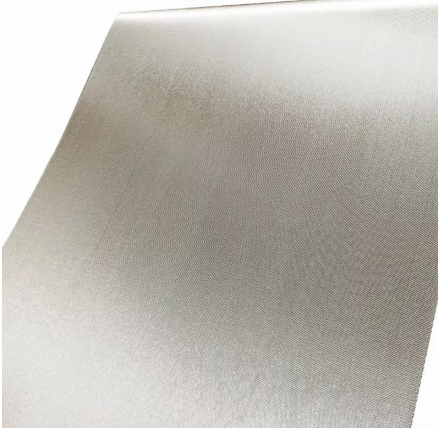
When choosing fiberglass fabric for extreme conditions, understanding weave patterns helps you pick the best fabric for your needs. The weave affects strength, flexibility, and appearance. Let’s explore three common weaves: plain, twill, and satin.
Plain weave is the simplest and most common pattern. Each weft yarn crosses over one warp yarn, then under the next, repeating this pattern across the fabric. This creates a balanced, tight weave.
Strength and Stability: This weave offers excellent dimensional stability and good tensile strength.
Surface Texture: It has a uniform, flat surface.
Applications: Ideal for parts needing high strength and rigidity, such as structural reinforcements, boat hulls, and aerospace components.
Plain weave’s tight construction makes it less flexible but very durable, perfect for heavy-duty uses.
Twill weave features a diagonal pattern. Each weft yarn passes over two or more warp yarns before going under one or more yarns, creating a distinctive diagonal rib.
Flexibility and Drapability: More flexible than plain weave, it conforms better to complex shapes.
Strength: Slightly less rigid but still strong.
Surface Appearance: Has a textured, diagonal pattern.
Applications: Used where fabric needs to fit curves or corners, such as automotive parts, sports equipment, and certain marine applications.
Twill weave balances strength with flexibility, making it versatile for many projects.
Satin weave has long floats of yarn over several threads before going under one, producing a smooth, lustrous surface.
Drapability: Excellent flexibility and smoothness.
Surface Finish: Shiny and smooth, often chosen for aesthetic reasons.
Strength: Slightly less stable than plain or twill weaves.
Applications: Used in decorative laminates, architectural panels, or where smooth finishes matter.
Satin weave fabrics offer a combination of beauty and function but may require careful handling due to their delicate structure.
Fiberglass fabric often undergoes coatings and chemical treatments to boost its performance in extreme conditions. These enhancements help the fabric resist heat, chemicals, moisture, and wear, extending its lifespan and reliability.
Several coating types improve fiberglass fabric properties:
Silicone Coatings: Provide excellent heat resistance and flexibility. Silicone coatings also improve water repellency, making the fabric suitable for marine and outdoor use.
Polyvinyl Chloride (PVC) Coatings: Add durability and chemical resistance. PVC coatings protect against abrasion and UV exposure, often used in industrial settings.
Fluoropolymer Coatings: Offer superior chemical resistance and weatherability. They help the fabric withstand harsh chemicals and prolonged sunlight exposure.
Epoxy and Phenolic Coatings: Enhance mechanical strength and thermal stability. These coatings are common in aerospace and automotive applications where extreme heat and stress occur.
Choosing the right coating depends on your project’s environment and performance needs.
Chemical treatments can modify fiberglass fabric to improve:
Flame Retardancy: Treatments reduce flammability, crucial for aerospace, construction, and transportation industries.
Moisture Resistance: Chemical finishes prevent water absorption, protecting fabric integrity in wet or humid environments.
UV Protection: UV stabilizers prevent degradation from sunlight, extending fabric life outdoors.
Anti-Microbial Properties: Some treatments inhibit mold and mildew growth, beneficial for marine or medical applications.
These treatments tailor the fabric to specific extreme conditions, ensuring safety and durability.
Coatings and treatments must be compatible with the resins or adhesives used in your project. Incompatible combinations can cause poor bonding, delamination, or weakened structural integrity.
Epoxy Resins: Work well with most coatings but require non-contaminated surfaces.
Polyester Resins: May react with certain coatings; selecting compatible fabric or removing coatings may be necessary.
Vinyl Ester Resins: Generally compatible with treated fiberglass but verify with suppliers.
Always consult technical data sheets or manufacturers to confirm compatibility. Testing small samples before full application helps avoid costly errors.
Choosing the right fiberglass fabric is crucial, but many make avoidable errors that hurt their projects. Let’s look at the common pitfalls and how to steer clear of them.
One of the biggest mistakes is picking a fiberglass fabric without matching it to the project’s needs. For example, using a non-woven fabric where a woven type is required can cause weak spots or poor durability. Similarly, selecting a fabric without the right weave or strength can lead to failure under stress.Always assess the fabric type carefully. Woven fabrics offer strength and stability; non-woven ones provide insulation or filtration benefits. Choosing the wrong one risks structural integrity and safety.
Every project has unique demands—temperature extremes, chemical exposure, mechanical stress, or flexibility needs. Ignoring these leads to fabric that can’t perform as needed.For instance, marine projects require fabrics resistant to saltwater corrosion. Aerospace uses lightweight, heat-resistant fabrics. Overlooking these specifics results in premature wear, damage, or failure.Take time to list all project conditions, then match fabric properties accordingly. This ensures longevity and reliability.
Fiberglass fabric rarely works alone. It often combines with resins or adhesives. Using a fabric incompatible with your chosen resin causes poor bonding, delamination, or weak spots.Epoxy resins generally work well with most fabrics, but polyester resins might react poorly with certain coatings. Vinyl ester resins usually offer good compatibility but always verify.Check technical data sheets or consult manufacturers before finalizing your choice. Testing small samples can prevent costly mistakes.
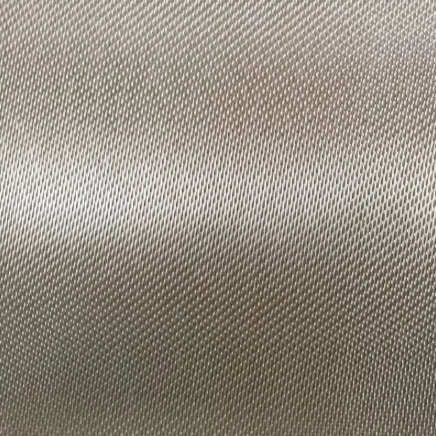
Proper maintenance and care of fiberglass fabric help keep its strength and performance in extreme conditions. Following best practices ensures your fabric lasts longer and performs reliably.
Cleaning: Use mild soap and water with a soft sponge or brush to clean fiberglass fabric. Avoid harsh chemicals or abrasive tools that can damage fibers or coatings. Rinse thoroughly to remove soap residue and let the fabric dry completely before storage.
Storage: Store fabric in a dry, cool place away from direct sunlight and heat sources. UV rays and heat can degrade fibers and coatings over time. Roll or fold fabric gently to avoid creases or damage. Keep it away from sharp objects and chemicals that could cause punctures or deterioration.
Regular cleaning and proper storage prevent contamination, mold growth, and premature wear.
Even with care, damage can happen. Minor tears or holes can be repaired to restore fabric integrity:
Clean the damaged area thoroughly.
Use compatible resin or adhesive recommended by the fabric manufacturer.
Apply a patch of the same or similar fiberglass fabric over the damaged spot.
Saturate the patch with resin and allow it to cure fully.
Sand and finish the repaired area if needed for smoothness.
For large or structural damage, consult professionals to assess if replacement is necessary.
Protect fabric from prolonged exposure to harsh UV light by applying UV-resistant coatings or coverings.
Avoid contact with strong acids, alkalis, or solvents unless the fabric is specifically treated for chemical resistance.
Handle fabric gently during installation to prevent fiber breakage or distortion.
Regularly inspect fabric for signs of wear, damage, or coating degradation and address issues promptly.
Taking these steps helps maintain the fabric’s mechanical properties, resistance to heat and chemicals, and overall durability.
Choosing the right fiberglass fabric for extreme conditions involves understanding its types, applications, and necessary performance traits. Consider factors such as strength, temperature resistance, and resin compatibility. For the best results, match the fabric type to your project’s specific needs. Jiangxi Mingchen New Materials Co., Ltd. offers high-quality fiberglass fabrics, ensuring durability and optimal performance. Their products are designed to withstand harsh environments, providing exceptional value and reliability for various industrial applications.
A: Fiberglass fabric is a material made from fine glass fibers woven into cloth, known for its tensile strength and resistance to heat, corrosion, and chemicals, making it ideal for extreme conditions.
A: In the automotive industry, fiberglass fabric reinforces body panels and interior components, reducing vehicle weight while maintaining safety and durability.
A: Woven fiberglass fabric offers superior strength and stability due to its interlaced fibers, making it suitable for structural applications compared to non-woven types.


