
Views: 0 Author: Site Editor Publish Time: 2025-10-31 Origin: Site


Is your insulation material up to the challenge? Choosing the right insulation is crucial for efficiency and safety. Fiberglass tape, known for its durability and flexibility, competes with traditional materials like fiberglass batts and foam boards. In this post, you'll learn the strengths, weaknesses, and applications of both options, helping you make an informed decision for your next project.
Fiberglass tape is a specialized insulation material made from woven glass fibers. These fibers form a strong, flexible fabric that can withstand high temperatures and resist chemicals. The tape often comes coated with adhesives or silicone to enhance its bonding and protective abilities. It’s widely used in electrical insulation, heat shielding, and sealing applications due to its durability and resistance to environmental stress.
Fiberglass tape comes in several types, each tailored for specific uses:
Thermal Insulation Tape: Designed to wrap around high-temperature pipes and cables, offering heat resistance and protection.
Silicone Rubber Coated Tape: Features a silicone rubber layer on fiberglass, providing extra heat insulation and chemical resistance.
Anti-Radiation Heat Preservation Tape: Thicker tape that combines heat insulation with corrosion resistance, ideal for harsh industrial environments.
Self-Adhesive Silicone Rubber Tape: Has a sticky backing, making it easy to apply and creating a waterproof, oil-resistant seal.
High-Temperature Resistant Tape: Made from alkali-free glass cloth, often coated with heat-resistant adhesives, used in coil encapsulation and electrical insulation.
Each type serves a unique function, from electrical insulation to mechanical protection, making fiberglass tape versatile across industries.
Fiberglass tape offers several advantages:
High Tensile Strength: It resists tearing and stretching, ensuring long-lasting performance.
Temperature Resistance: Can endure extreme temperatures, often from -50°C to 260°C (-58°F to 500°F), suitable for demanding environments.
Chemical and Moisture Resistance: It withstands exposure to oils, solvents, and moisture without degrading.
Lightweight and Flexible: Easy to handle and apply on irregular surfaces without losing insulation properties.
Electrical Insulation: Provides excellent dielectric strength, making it safe for electrical applications.
Durability: Maintains integrity over time, reducing the need for frequent replacements or repairs.
These features make fiberglass tape a reliable choice for insulation tasks where traditional materials might fail.
Traditional insulation materials have been the go-to choice for decades across various industries. Here are some of the most common types:
Fiberglass Batts and Rolls: Made from fine glass fibers, these are popular for residential and commercial building insulation due to their thermal and acoustic properties.
Mineral Wool (Rock Wool or Slag Wool): Produced from natural or industrial minerals, it offers excellent fire resistance and soundproofing.
Foam Boards (Polystyrene, Polyisocyanurate): Rigid panels that provide high thermal resistance, often used in walls, roofs, and foundations.
Cellulose: Made from recycled paper treated with fire retardants, it is blown into wall cavities for insulation.
Cotton (Denim) Insulation: An eco-friendly option made from recycled cotton fibers, providing moderate insulation and sound absorption.
Spray Foam Insulation: A liquid foam that expands and hardens, sealing gaps and providing high R-values.
Mica Sheets: Natural mineral-based insulation with good thermal and electrical resistance, commonly used in electrical and industrial applications.
Each traditional insulation type brings its own advantages and limitations:
Fiberglass Batts and Rolls
Strengths: Affordable, widely available, good thermal and sound insulation.
Weaknesses: Can irritate skin and lungs during installation; susceptible to moisture damage.
Mineral Wool
Strengths: Fire-resistant, water-repellent, excellent soundproofing.
Weaknesses: Higher cost compared to fiberglass; heavier and more rigid.
Foam Boards
Strengths: High insulating value per inch; moisture-resistant.
Weaknesses: Can be flammable; may release harmful gases if burned.
Cellulose
Strengths: Made from recycled materials; good air sealing.
Weaknesses: Settling over time can reduce effectiveness; susceptible to moisture.
Cotton Insulation
Strengths: Environmentally friendly; good sound absorption.
Weaknesses: Lower R-value; can be more expensive.
Spray Foam
Strengths: Creates air-tight seal; high R-value.
Weaknesses: Expensive; requires professional installation; potential off-gassing.
Mica Sheets
Strengths: High heat resistance; electrical insulation.
Weaknesses: Less flexible; higher cost.
Traditional insulation materials find use across many sectors, each suited for specific needs:
Construction: Fiberglass, mineral wool, and foam boards are common in walls, ceilings, and roofs to improve energy efficiency and sound control.
Electrical Industry: Mica sheets and fiberglass-based materials provide electrical insulation in transformers, motors, and circuit boards.
Automotive: Spray foam and fiberglass help insulate cabins and engine compartments for temperature control and noise reduction.
HVAC Systems: Fiberglass and foam insulation prevent heat loss in ducts and pipes.
Industrial Manufacturing: Mineral wool and mica sheets protect equipment from extreme heat and fire hazards.
Each material's choice depends on factors like thermal performance, fire resistance, cost, and environmental conditions.
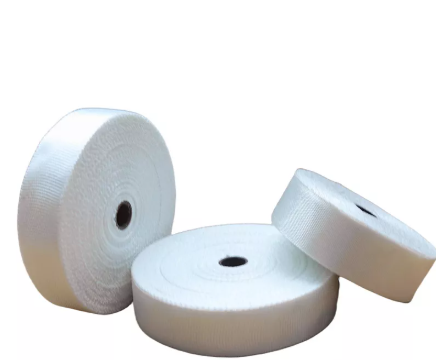
Fiberglass tape boasts impressive strength and durability. Its woven glass fibers provide high tensile strength, resisting tears and stretching during installation or use. It withstands harsh environments, including exposure to moisture, chemicals, and extreme temperatures, often ranging from -50°C to 260°C (-58°F to 500°F). This makes it ideal for long-term applications where durability matters.
Traditional insulation materials vary in durability. Fiberglass batts and rolls offer decent strength but can degrade if exposed to moisture. Mineral wool resists fire and water better but is heavier and less flexible. Foam boards provide rigidity but may crack under stress. Wood and metal, common traditional materials, have their own weaknesses: wood can rot or warp, metal may corrode without proper treatment. Overall, fiberglass tape tends to outperform many traditional materials in toughness and lifespan.
Fiberglass tape delivers excellent thermal insulation. Its glass fibers trap air, reducing heat transfer effectively. It also dampens sound, making it useful for acoustic insulation. Its temperature resistance helps maintain insulation performance even in extreme heat or cold.
Traditional materials like fiberglass batts and mineral wool are also known for good thermal and acoustic properties. Foam boards offer high thermal resistance per thickness but less soundproofing. Cellulose and cotton insulation absorb sound well but may settle or lose effectiveness over time. Metals and wood provide minimal insulation unless combined with other materials.
In essence, fiberglass tape offers competitive thermal and acoustic insulation, especially where space is limited or flexibility is needed.
Fiberglass tape’s upfront cost can be higher than some traditional materials. However, its durability reduces replacement frequency and maintenance expenses. Its resistance to moisture and chemicals means fewer repairs and longer service life, translating to cost savings over time.
Traditional insulation materials often have lower initial costs. Fiberglass batts, cellulose, and cotton are affordable and widely available. Yet, they may require more upkeep due to moisture damage, settling, or pest issues. Spray foam insulation, while effective, tends to be costly and demands professional installation. Metals and wood may incur maintenance costs like painting or treatment to prevent decay.
Choosing fiberglass tape can be economically wise for projects demanding longevity and low maintenance, despite a higher initial price.
Fiberglass tape excels in electrical insulation due to its excellent dielectric strength and resistance to heat and chemicals. It safely insulates wires, coils, and electrical components, preventing short circuits and electrical fires. Its flexibility allows it to wrap tightly around irregular shapes, ensuring complete coverage. Many electrical systems rely on fiberglass tape to protect against voltage spikes and thermal stress. For example, motors and transformers often use it to secure windings and enhance safety.
Traditional materials like mica sheets also offer electrical insulation but tend to be less flexible and heavier. Fiberglass tape’s lightweight nature and ease of application make it a preferred choice in modern electrical manufacturing and repairs.
In heating, ventilation, and air conditioning systems, insulation is critical to energy efficiency and noise reduction. Fiberglass tape is widely used to wrap ducts, pipes, and joints, sealing gaps and preventing heat loss. Its resistance to moisture and chemicals helps maintain system integrity over time, even in humid or corrosive environments.
Traditional insulation materials such as fiberglass batts or foam boards are common, but these can be bulky or difficult to apply in tight spaces. Fiberglass tape offers a convenient, space-saving solution that conforms to complex shapes and ensures a tight seal. This reduces energy waste and improves system performance.
The automotive and aerospace industries demand insulation materials that withstand high temperatures, vibration, and exposure to chemicals. Fiberglass tape meets these needs by providing thermal protection and electrical insulation in engine compartments, wiring harnesses, and control systems. Its durability under mechanical stress and temperature extremes makes it ideal for these challenging environments.
Traditional materials like mineral wool and foam have been used, but they often lack the flexibility or chemical resistance required. Fiberglass tape’s lightweight and robust properties contribute to fuel efficiency and safety in vehicles and aircraft. For instance, it can wrap wiring bundles to prevent abrasion and heat damage, extending component life and reducing maintenance.
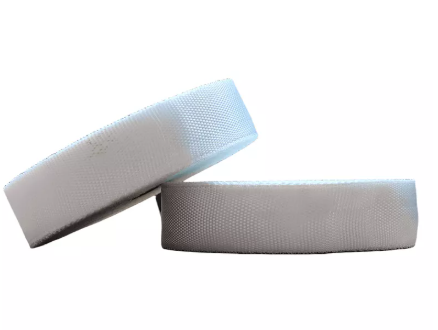
Fiberglass tape is considered relatively eco-friendly compared to many traditional insulation materials. It is made primarily from glass fibers, which come from abundant natural raw materials like sand and recycled glass. Manufacturing processes have improved to reduce energy consumption and emissions.
Fiberglass tape’s long lifespan means less frequent replacement, reducing waste over time. It also resists moisture and chemicals, preventing degradation that could lead to environmental contamination. Some types of fiberglass tape are recyclable, although recycling facilities for composites remain limited.
Additionally, fiberglass tape does not emit harmful volatile organic compounds (VOCs) during use, contributing to healthier indoor air quality. Its resistance to mold and mildew also helps avoid the need for chemical treatments.
Traditional insulation materials vary widely in environmental impact. Some, like cellulose and cotton insulation, are made from recycled or renewable resources, offering good sustainability profiles. However, others pose challenges:
Fiberglass Batts and Rolls: While made from glass fibers, production can be energy-intensive. Disposal is problematic since it’s not biodegradable and recycling options are scarce.
Mineral Wool: Made from natural rock or slag, but requires high energy to produce. It is durable but difficult to recycle.
Foam Boards: Typically derived from petrochemicals, they have high global warming potential during manufacture and disposal. They may release toxic gases if burned.
Spray Foam: Contains chemicals with environmental and health concerns, including greenhouse gas emissions during production.
Mica Sheets: Mining mica can cause ecological disruption and labor issues in some regions.
Many traditional materials also degrade over time, leading to frequent replacement and increased waste. Moisture susceptibility in some types can cause mold growth, requiring chemical remediation.
| Material Type | Renewable Content | Energy Use in Production | Recyclability | Toxic Emissions | Longevity |
|---|---|---|---|---|---|
| Fiberglass Tape | Moderate (glass) | Moderate | Limited | Low | High |
| Fiberglass Batts | Moderate (glass) | High | Limited | Low | Moderate |
| Mineral Wool | Low (rock/slags) | High | Limited | Low | High |
| Foam Boards | None (petrochem) | High | Low | High | Moderate |
| Cellulose | High (recycled) | Low | Moderate | Low | Moderate |
| Spray Foam | None (chemicals) | High | Low | High | High |
| Mica Sheets | Low (mineral) | Moderate | Low | Low | High |
Fiberglass tape offers superior durability, heat resistance, and environmental benefits compared to traditional insulation materials. Its flexibility and chemical resistance make it ideal for electrical, HVAC, and automotive applications. When choosing insulation, consider the specific needs of your project for optimal results. Jiangxi Mingchen New Materials Co., Ltd. provides high-quality fiberglass tape that enhances safety and efficiency, ensuring long-term value for various industries.
A: Fiberglass Tape is used for electrical insulation, heat shielding, and sealing applications due to its durability and resistance to environmental stress.
A: Fiberglass Tape offers high tensile strength, temperature resistance, and chemical resistance, often outperforming traditional materials in durability and flexibility.
A: Fiberglass Tape provides excellent thermal and acoustic insulation, is lightweight, and requires less maintenance, making it a cost-effective choice over time.
A: Yes, Fiberglass Tape is relatively eco-friendly, made from abundant natural materials, with a long lifespan that reduces waste and emissions.


