

close
Choose Your Site
Global
Social Media
Views: 0 Author: Site Editor Publish Time: 2025-10-24 Origin: Site


Ever wondered how electrical systems stay safe and efficient? Fiberglass tape plays a key role in insulation. This article explores what fiberglass tape is and why it's crucial for electrical insulation. You'll learn about its composition, benefits, and applications.
Fiberglass tape is made from thin glass fibers woven into a fabric-like structure. These fibers come from molten glass drawn into fine strands, then woven tightly to form a durable tape. The weaving pattern gives the tape strength and flexibility, allowing it to bend around corners and irregular shapes without breaking.After weaving, the tape is coated with a thermosetting resin or adhesive. This coating improves its electrical insulation properties and helps the tape stick firmly to surfaces. The resin also provides resistance to heat, chemicals, and moisture, enhancing the tape’s durability in tough environments.The final product is a lightweight yet strong tape that offers excellent electrical insulation. Its structure prevents electrical current from passing through, making it safe for wrapping wires, cables, and other electrical components.
Fiberglass tape comes in several types, each designed for specific electrical insulation needs:
Standard Fiberglass Tape: This is the most common type, made from woven fiberglass cloth coated with a thermosetting resin. It offers good insulation and heat resistance, suitable for general electrical applications.
Alkali-Free Fiberglass Tape: This tape is specially treated to remove alkali content, which improves its resistance to chemical corrosion. It’s ideal for environments where exposure to harsh chemicals or moisture is a concern.
Mesh Fiberglass Tape: Featuring a mesh-like open weave, this tape allows better airflow and flexibility. It’s often used where ventilation or breathability is important while still providing strong insulation.
Silicone-Coated Fiberglass Tape: This type has an additional silicone layer, which boosts heat resistance and provides extra protection against abrasion and moisture. It’s perfect for high-temperature applications like motors and transformers.
Each type serves different purposes but shares the core benefits of strength, electrical insulation, and heat resistance. Choosing the right type depends on the specific requirements of the electrical system and the environmental conditions it faces.
Fiberglass tape excels at electrical insulation. Its woven glass fibers create a barrier that stops electrical current from passing through. This high dielectric strength prevents short circuits and protects equipment from electrical faults. Using fiberglass tape ensures wires and components stay safely insulated, reducing risks of shocks or failures.Because it doesn't conduct electricity, fiberglass tape is ideal for wrapping cables, coils, and connectors. It maintains consistent insulation even under stress or bending, making it reliable for complex electrical assemblies.
One standout feature of fiberglass tape is its ability to withstand high temperatures. It remains stable and effective in environments exceeding 500°F (260°C), and some specialized types tolerate even higher heat levels. This heat resistance means it won’t melt, burn, or degrade when exposed to intense thermal conditions.This makes fiberglass tape perfect for motors, transformers, and industrial machinery where heat buildup is common. It protects sensitive electrical parts from damage caused by heat, extending their lifespan and ensuring safe operation.
Fiberglass tape is tough. It resists wear from abrasion, chemicals, moisture, and UV exposure. These qualities make it suitable for use in harsh environments like factories, outdoor installations, and automotive applications.Unlike many other tapes, fiberglass tape doesn’t break down easily. It keeps insulation intact for years, reducing the need for frequent maintenance or replacements. This durability saves time and money while maintaining reliable electrical protection.Its flame retardant nature adds safety by limiting fire spread if electrical faults occur. Plus, it resists chemical corrosion, ensuring insulation remains effective even near oils, solvents, or cleaning agents.
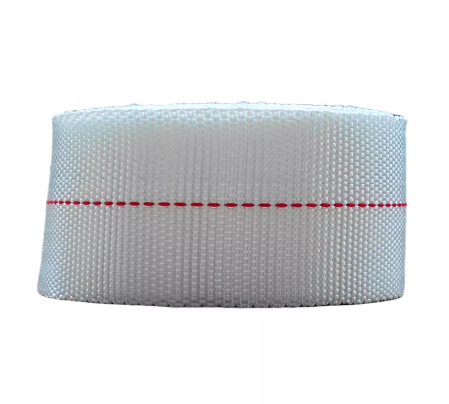
Fiberglass tape is commonly used to insulate electrical wiring and cables. Its high dielectric strength ensures that electrical currents stay within the wires, preventing shorts or shocks. The tape wraps tightly around wire bundles, protecting them from abrasion and environmental damage such as moisture or chemicals. It also helps to organize cables neatly, reducing the risk of tangling or mechanical stress.In industrial settings, fiberglass tape is often applied to high-voltage cables where heat resistance is critical. It maintains insulation integrity even when wires heat up during heavy current flow. This reliability is essential for safety and long-term performance.
Circuit boards contain delicate electrical components that require precise insulation to prevent short circuits. Fiberglass tape is used to insulate and reinforce these boards, especially around solder joints and connectors. Its thin, flexible nature allows it to fit snugly without adding bulk, ensuring components stay securely separated.Additionally, fiberglass tape’s resistance to heat makes it ideal for protecting circuit boards during manufacturing processes like soldering, where temperatures can spike. It also shields sensitive parts from mechanical wear and chemical exposure, extending the board’s lifespan.
Motors and transformers generate significant heat during operation, demanding robust insulation materials. Fiberglass tape is a popular choice for wrapping motor windings and transformer coils. It withstands high temperatures without melting or losing insulation properties, ensuring continuous protection.The tape’s flame retardant quality adds an extra safety layer by limiting fire risks in case of electrical faults. Its durability guards against vibrations and mechanical wear common in motors and transformers, reducing maintenance needs.Fiberglass tape also helps maintain electrical efficiency by preventing current leakage and minimizing energy loss. This makes it valuable in industrial machinery, automotive motors, and power transformers.
Proper surface preparation is essential for a strong bond and effective insulation when using fiberglass tape. First, ensure the surface is clean, dry, and free from dust, oil, grease, or any contaminants. Dirt or moisture can weaken adhesion and reduce insulation quality. Use a clean cloth and an appropriate solvent like isopropyl alcohol to wipe the area thoroughly.Remove any loose paint, rust, or debris that might interfere with the tape’s grip. For metal surfaces, light sanding can help create a better texture for tape adhesion. Allow the surface to dry completely before applying the tape. Moisture trapped under the tape can cause insulation failure or corrosion over time.Also, inspect the electrical components for damage or irregularities. Repair or smooth out rough spots to ensure the tape lays flat and adheres evenly. A smooth, prepared surface maximizes contact and enhances the tape’s protective properties.
Applying fiberglass tape correctly ensures long-lasting insulation and protection. Here are common techniques:
Wrapping: Wrap the tape tightly around wires, cables, or components. Overlap each turn by about 50% to create a uniform insulating layer. Pull the tape taut but avoid stretching it excessively, which might cause it to lift or tear.
Spiral Wrapping: For larger diameter objects like coils or motors, spiral wrapping works best. Begin at one end and wrap in a spiral, overlapping each layer by half the tape’s width. This technique offers consistent coverage and flexibility.
Spot Wrapping: Apply small tape pieces on critical points such as corners, joints, or connectors. This method reinforces vulnerable spots and prevents wear or electrical shorts.
During application, smooth out any air bubbles or wrinkles immediately. Air pockets reduce insulation effectiveness and may cause tape failure. Using a roller or your fingers, press the tape firmly onto the surface to ensure a strong bond.For multi-layer insulation, apply several tape layers as needed. Each layer enhances dielectric strength and heat resistance. Allow each layer to settle before adding the next to avoid wrinkles or gaps.Finally, trim excess tape neatly to avoid loose ends, which can catch dirt or moisture. Proper finishing extends the tape’s lifespan and maintains a clean appearance.
When working with fiberglass tape, safety comes first. Always wear gloves to protect your skin from irritation caused by tiny glass fibers. Safety glasses are a must to shield your eyes from any stray particles. Wearing long sleeves and pants helps avoid scratches or cuts.Apply the tape in a well-ventilated space. This prevents inhaling any fumes from the adhesive or resin coatings. Keep the tape away from open flames or heat sources since fiberglass tape can catch fire if exposed to sparks or intense heat.Handle rolls carefully to avoid damage. Torn or frayed tape edges can reduce insulation effectiveness. Use scissors or a sharp blade to cut tape cleanly, minimizing loose fibers.
Store fiberglass tape in a cool, dry place. Moisture can weaken the adhesive and degrade the tape’s insulating properties. Avoid direct sunlight, which can cause the tape to become brittle over time.Keep the tape sealed in its original packaging or in airtight containers. This prevents dust, dirt, or chemicals from contaminating the tape surface. Store rolls flat or upright to avoid deforming the tape.Also, keep tape away from sharp objects or heavy items that might crush or damage it. Proper storage extends the tape’s shelf life and ensures it performs well when applied.
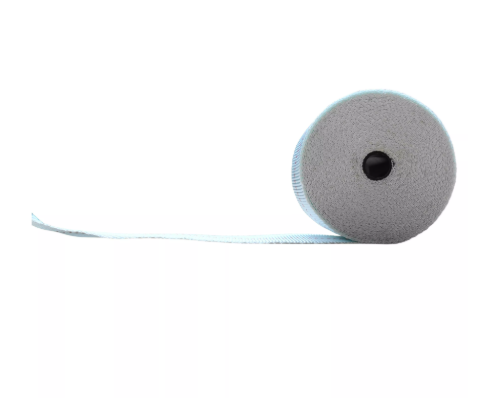
Manufacturers of fiberglass tape are increasingly focusing on sustainability to reduce their environmental footprint. Many use recycled glass as the primary raw material for fiberglass production. This practice lowers the demand for virgin materials and helps divert waste from landfills. Additionally, some producers incorporate energy-efficient technologies in their manufacturing processes, such as using renewable energy sources like solar or wind power. These steps reduce greenhouse gas emissions and conserve natural resources.Beyond raw materials, companies optimize production to minimize waste generation. They carefully control resin application and curing processes to avoid excess material use. Some also design products to be more durable, extending tape lifespan and reducing the need for frequent replacements. Longer-lasting products mean less waste and fewer resources consumed over time.
Proper waste management is crucial in fiberglass tape production and disposal. Manufacturers implement recycling programs for scrap materials generated during production. For example, leftover fiberglass fibers and paper packaging are collected and reprocessed. This reduces landfill waste and recovers valuable materials.At the end of the product’s life, fiberglass tape disposal requires care. Although not biodegradable, it is inert and does not release harmful chemicals into the environment. Some companies are exploring ways to recycle used tape or convert it into energy through controlled incineration. These methods help limit environmental impact.In industrial settings, waste management also involves controlling dust and airborne fibers during cutting or handling. Facilities use filtration systems to capture particles, protecting workers and the environment.
The renewable energy sector is rapidly expanding, and fiberglass tape plays a crucial role in this growth. Solar panels, wind turbines, and other clean energy systems require reliable electrical insulation that can handle varying temperatures and harsh outdoor conditions. Fiberglass tape fits perfectly because it resists heat, moisture, and UV rays, ensuring long-lasting protection of electrical components.For example, in wind turbines, fiberglass tape insulates wiring and coils inside generators, which face constant mechanical stress and temperature changes. Its durability reduces maintenance needs and downtime, which is vital for efficient energy production. Similarly, solar panel installations use fiberglass tape to protect electrical connections from weather damage and electrical faults.As renewable energy technologies evolve, manufacturers are developing fiberglass tapes with enhanced properties like improved flexibility and stronger adhesives. These innovations help installers work faster and create more secure insulation in complex systems. The trend toward eco-friendly materials in manufacturing also aligns well with renewable energy goals, making fiberglass tape a sustainable choice.
The automotive industry is undergoing a massive transformation, especially with the rise of electric vehicles (EVs). Fiberglass tape is becoming more important as a lightweight, heat-resistant, and electrically insulating material in EVs and hybrid vehicles.Electric motors, battery packs, and power electronics generate significant heat and require robust insulation. Fiberglass tape withstands these high temperatures without degrading, protecting critical components and enhancing vehicle safety. Its flame retardant nature adds an extra layer of fire protection, which is crucial for battery systems.
Moreover, automotive manufacturers seek materials that reduce vehicle weight to improve energy efficiency. Fiberglass tape offers excellent insulation without adding bulk, helping meet these goals. Its flexibility allows easy application around complex shapes inside engines and electronic modules.Looking forward, advancements include tapes with higher thermal stability and improved chemical resistance to handle new automotive fluids and harsh operating environments. These improvements will support the growing demand for reliable, durable insulation in next-generation vehicles.
Fiberglass tape offers superior electrical insulation, heat resistance, and durability, making it ideal for various applications. Its unique composition prevents electrical currents from passing through, ensuring safety in wiring and cables. The tape's ability to withstand high temperatures and harsh conditions makes it perfect for motors and transformers. Jiangxi Mingchen New Materials Co., Ltd. provides high-quality fiberglass tape products designed to enhance electrical system reliability, offering value through innovative solutions tailored to specific insulation needs.
A: Fiberglass Tape is used to insulate electrical wiring, cables, circuit boards, motors, and transformers, providing superior electrical insulation and heat resistance.
A: Fiberglass Tape offers excellent dielectric strength, heat resistance, and durability in harsh conditions, making it a reliable choice for electrical insulation.
A: While Fiberglass Tape may be slightly more expensive than some alternatives, its long-term durability and performance often justify the investment.
A: Silicone-Coated Fiberglass Tape enhances heat resistance and provides extra protection against abrasion and moisture, ideal for high-temperature applications.


