

close
Choose Your Site
Global
Social Media
Views: 0 Author: Site Editor Publish Time: 2025-11-02 Origin: Site


Imagine a material that offers exceptional strength without weighing you down. Fiberglass fabric does just that, revolutionizing structural reinforcement. Its high strength-to-weight ratio, corrosion resistance, and adaptability make it indispensable for engineers and builders. In this post, you'll learn about the top 5 benefits of using fiberglass fabric for structural reinforcement, exploring its versatility and efficiency across various applications.
Fiberglass fabric comes in several types, each designed for specific uses and performance needs:
Fiberglass Cloth: Woven from fine glass fibers, this fabric offers great strength and flexibility. It comes in various weights and weaves like plain, satin, and twill. Commonly used in marine repairs, automotive parts, and construction reinforcement.
Chopped Strand Mat (CSM): A non-woven mat made of randomly oriented glass fibers bonded by a styrene binder. It’s easy to apply and great for creating complex shapes and patching repairs. Often paired with woven fabrics for added strength.
Biaxial Woven Fiberglass: Fibers woven in two directions (0° and 90°), providing superior strength and rigidity. Popular in high-strength applications like boat decks and structural components.
Woven Roving: Heavyweight fabric made from bi-directional fiber bundles. It builds thickness quickly and is used in large flat surfaces such as pools or boat decks. Often combined with chopped strand mat to fill gaps and improve bonding.
Fiberglass fabric has several key properties that make it ideal for structural reinforcement:
High Strength-to-Weight Ratio: It provides strong reinforcement without adding much weight.
Durability: Resistant to impact, abrasion, and corrosion.
Flexibility: Adapts well to various shapes and contours.
Thermal Resistance: Can withstand high temperatures without losing integrity.
Non-Conductive: Does not conduct electricity, enhancing safety in electrical environments.
Compatibility: Works well with polyester, vinyl ester, and epoxy resins (though some types like CSM are not compatible with epoxy).
Fiberglass fabric is widely used across industries due to its versatile nature:
Marine Industry: Building and repairing boats, decks, and hulls.
Automotive: Reinforcing car parts and panels.
Construction: Strengthening concrete, wood, and other materials.
Industrial: Manufacturing tanks, pipes, and protective barriers.
Electrical and Thermal Insulation: Used in environments requiring non-conductive materials.
Its ability to provide reinforcement, resist harsh environments, and maintain structural integrity makes fiberglass fabric a go-to material for engineers and builders.
Fiberglass fabric stands out for its impressive strength-to-weight ratio. Compared to traditional materials like steel or aluminum, it offers high tensile strength while being significantly lighter. For example, fiberglass can be up to 70% lighter than steel but still deliver comparable or even superior strength. This means structures reinforced with fiberglass fabric can maintain or improve load-bearing capacity without adding unnecessary weight.
This advantage is crucial in applications where weight matters, such as aerospace, automotive, and marine industries. Lighter materials reduce fuel consumption, ease handling during construction, and lessen stress on supporting structures. Unlike steel, fiberglass does not corrode, so it maintains strength over time without the risk of rust-related weakening.
The high strength-to-weight ratio allows engineers to design more efficient structures. They can use thinner, lighter components without sacrificing durability or safety. This flexibility opens up new possibilities for architectural creativity and innovation.
For example, bridges reinforced with fiberglass fabric require less massive support frameworks, reducing material costs and construction time. In marine vessels, lighter reinforcement improves buoyancy and fuel efficiency. In automotive design, it enables lighter bodies that enhance speed and reduce emissions.
Moreover, handling and installation become easier. Workers can maneuver fiberglass materials faster and with less effort, speeding up project timelines and lowering labor costs.
Denver Light Rail Project: The use of fiberglass reinforcement reduced installation time by 30% due to easier handling and lighter weight. The structure met all strength requirements with less material bulk.
Golden Gate Bridge Retrofit: Fiberglass rebar replaced steel in certain sections. It provided the needed strength while resisting corrosion in the harsh marine environment, extending the bridge’s lifespan and cutting maintenance costs.
Marine Vessel Decks: Fiberglass fabric reinforced decks maintain high strength against impact and heavy loads while reducing overall vessel weight, improving fuel efficiency and stability.
These examples illustrate fiberglass fabric’s ability to combine strength and lightness, making it a superior choice for structural reinforcement in many industries.
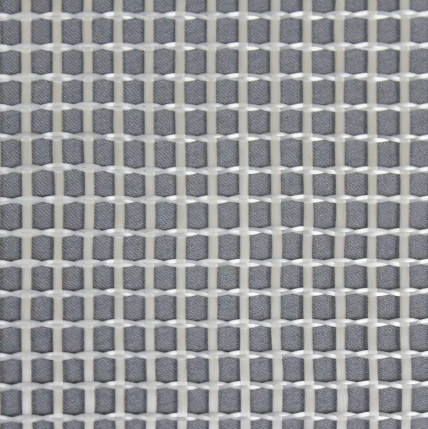
Fiberglass fabric resists corrosion far better than traditional metal reinforcements. Unlike steel, it does not rust when exposed to moisture, saltwater, or chemicals. This makes it ideal for environments where moisture or harsh chemicals are common. Fiberglass fabric withstands acids, alkalis, and saline conditions without degrading. It also resists UV radiation, so it won’t weaken or become brittle from sun exposure. This resistance helps maintain structural integrity over time, reducing the risk of failure caused by corrosion.
Because it doesn’t corrode, fiberglass fabric lasts longer in tough environments. It maintains strength and flexibility even after years of exposure to water, salt spray, or industrial chemicals. This durability reduces maintenance and repair needs, saving time and money. Structures reinforced with fiberglass fabric can have service lives extending several decades, especially in marine or chemical plant settings. Accelerated aging tests show fiberglass fabric retains its properties after prolonged exposure to corrosive conditions. This reliability makes it a smart choice for projects where long-term performance matters.
Marine Structures: Fiberglass fabric reinforces boat hulls, decks, and piers. It resists saltwater corrosion, preventing the rust issues common with steel reinforcements. This extends vessel and dock lifespans and reduces upkeep costs.
Chemical Plants: Tanks, pipes, and containment areas use fiberglass fabric to withstand exposure to acids and solvents. It prevents corrosion that can cause leaks or structural damage.
Water Treatment Facilities: Fiberglass fabric helps reinforce concrete exposed to chlorides and other chemicals, avoiding corrosion-related failures.
Industrial Flooring and Platforms: Fiberglass fabric reinforcement resists chemical spills and moisture, maintaining strength and safety in harsh workplaces.
These examples highlight fiberglass fabric’s unique ability to protect structures in corrosive environments. Its corrosion resistance ensures safety, durability, and lower lifecycle costs compared to traditional materials.
Fiberglass fabric is naturally non-conductive. Unlike metals such as steel or aluminum, it does not allow electricity to flow through it. This feature makes fiberglass an excellent choice in environments where electrical safety is critical. Using fiberglass fabric reduces risks of electrical shock or short circuits when reinforcing structures near live electrical equipment or high-voltage lines.
Its non-conductive nature also prevents electromagnetic interference. This is important in sensitive settings like hospitals, laboratories, or communication facilities, where metal reinforcements could disrupt signals or equipment operation. Fiberglass fabric ensures structural support without compromising electrical or electronic system performance.
In high-voltage environments, safety is paramount. Fiberglass fabric’s insulation properties protect workers and equipment by preventing accidental conduction of electricity. For example, in power plants or electrical substations, fiberglass reinforcement can be used in walkways, platforms, or barriers to minimize electrical hazards.
Its use lowers the risk of electrical accidents, making workplaces safer. Additionally, fiberglass fabric is lightweight, which simplifies installation in complex electrical infrastructure without adding conductive materials. This combination of safety and ease of use makes it a preferred material in high-voltage and industrial applications.
Fiberglass fabric offers excellent fire resistance compared to many other reinforcement materials. It can withstand high temperatures without melting or burning easily. This property is crucial in structures where fire safety is a concern, such as industrial plants, transportation hubs, or commercial buildings.
Many fiberglass fabrics meet strict fire safety standards, including ASTM tests for flame spread and self-extinguishing behavior. For instance, fiberglass grating and fabrics often have flame spread ratings below 25 per ASTM E-84, indicating low flame propagation. They also comply with ASTM D-635, ensuring they self-extinguish rather than support continuous burning.
This fire resistance helps protect structures and occupants during emergencies, providing valuable extra time for evacuation and fire control. It also reduces damage to the reinforcement itself, maintaining structural integrity after fire exposure.
Fiberglass fabric offers significant savings over time due to its low maintenance needs. Unlike steel or other metals, it does not rust or corrode, so it avoids costly repairs or replacements caused by deterioration. Structures reinforced with fiberglass fabric often require only periodic cleaning to maintain performance, reducing labor and material expenses.
For example, marine structures exposed to saltwater typically suffer corrosion damage when using steel reinforcements, leading to frequent maintenance. Fiberglass fabric eliminates this problem, cutting maintenance costs dramatically. Similarly, industrial environments with chemical exposure benefit from fiberglass’s resistance, avoiding expensive downtime or patch jobs.
The reduced need for repainting, sandblasting, or protective coatings further lowers upkeep expenses. Over the lifespan of a project, these savings can be substantial, making fiberglass fabric a smart choice for budget-conscious applications.
Though the initial cost of fiberglass fabric may be higher than some traditional materials, its long-term value is compelling. The extended service life, combined with minimal maintenance, translates into a strong return on investment (ROI).
Consider projects like bridge decks, water treatment plants, or chemical storage tanks. Using fiberglass fabric can extend the service life by decades compared to steel, reducing replacement frequency. This longevity means fewer disruptions and less capital spent on repairs or new materials.
Moreover, fiberglass fabric’s lightweight nature reduces transportation and installation costs. Faster handling and simpler installation lower labor expenses, accelerating project timelines and saving money.
When lifecycle costs are analyzed, fiberglass fabric often emerges as the more economical option despite upfront price differences. Its durability and low maintenance pay off handsomely over time.
Fiberglass fabric compares favorably against other reinforcement materials such as steel, carbon fiber, or traditional composites.
| Material | Initial Cost | Maintenance Cost | Lifespan | Weight | Corrosion Resistance |
|---|---|---|---|---|---|
| Fiberglass Fabric | Moderate | Low | 30+ years | Low | Excellent |
| Steel | Low | High | 15-25 years | High | Poor (rust prone) |
| Carbon Fiber | High | Low | 30+ years | Very Low | Excellent |
| Traditional Composites | Moderate | Moderate | 20-30 years | Moderate | Good |
Fiberglass fabric strikes a balance between cost and performance. It is less expensive than carbon fiber but offers comparable corrosion resistance and lifespan. Compared to steel, it has a higher upfront cost but much lower maintenance and longer durability. This makes fiberglass fabric a cost-effective choice for many structural reinforcement projects.
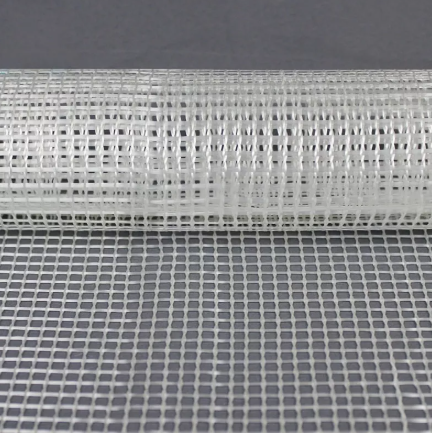
Fiberglass fabric offers remarkable flexibility, allowing it to conform to complex shapes and surfaces easily. Unlike rigid materials, it bends and molds without cracking or losing strength. This flexibility helps engineers and builders reinforce curved, angled, or irregular structures without extra effort or special tools. Whether wrapping around pipes, strengthening arches, or reinforcing panels, fiberglass fabric adapts effortlessly.
This design freedom enables innovative solutions in construction and manufacturing. For example, architects can create lightweight, aerodynamic shapes for vehicles or buildings without worrying about reinforcement limitations. It also simplifies repairs, as fabric can be cut and shaped on-site to fit damaged areas precisely.
Fiberglass fabric works well with a broad range of resin systems, including polyester, vinyl ester, and epoxy resins. This compatibility allows it to be tailored for specific performance needs. For instance, polyester resin is cost-effective for general reinforcement, while epoxy offers superior bonding and chemical resistance for demanding environments.
The ability to pair fiberglass fabric with different resins means it can meet diverse mechanical, chemical, and environmental requirements. It also integrates smoothly into composite manufacturing processes, such as hand lay-up, spray-up, and vacuum infusion. This versatility makes it a preferred choice across industries, from marine and automotive to construction and aerospace.
Fiberglass fabric’s adaptability shines in many sectors:
Marine Industry: Used for hulls, decks, and repair patches, fiberglass fabric molds easily to complex boat shapes. Its resistance to water and corrosion ensures long-lasting performance.
Automotive: Reinforces body panels, bumpers, and structural parts. Its light weight improves fuel efficiency while maintaining crash safety.
Construction: Strengthens concrete, wood, and masonry structures. It reinforces bridges, facades, and tunnels, adapting to various shapes and sizes.
Industrial: Fabricates chemical storage tanks, pipes, and protective barriers. Its compatibility with chemical-resistant resins ensures durability.
Sporting Goods: Creates lightweight, strong equipment like helmets, skis, and bicycles. The fabric’s flexibility supports ergonomic designs.
Electrical and Thermal Insulation: Used in high-voltage environments and thermal barriers due to its non-conductive and heat-resistant properties.
These examples show fiberglass fabric’s broad appeal. It supports innovation, reduces material waste, and simplifies installation across applications.
Selecting the right fiberglass fabric starts by understanding your project's specific demands. Key factors include:
Load Requirements: How much strength and stiffness does your structure need? Different fabrics offer varying tensile strengths and rigidity.
Environmental Exposure: Will the fabric face moisture, chemicals, UV rays, or extreme temperatures? Choose a type that resists those conditions.
Resin Compatibility: Match the fabric to the resin system you'll use—polyester, vinyl ester, or epoxy—to ensure proper bonding and performance.
Fabric Weight and Weave: Heavier fabrics provide more strength but may be less flexible. The weave type affects drape and surface finish.
Application Method: Some fabrics work better with hand lay-up, others with vacuum infusion or spray-up processes.
Different projects require different fabric types:
Fiberglass Cloth: Ideal for detailed work requiring flexibility and smooth finishes, such as automotive panels or boat hulls.
Chopped Strand Mat (CSM): Great for filling shapes quickly or patch repairs, often combined with woven fabrics for added strength.
Biaxial Woven Fiberglass: Best for high-strength, load-bearing components like decks, beams, or structural panels.
Woven Roving: Suitable for large, flat surfaces needing thick reinforcement, such as pools or bridge decks.
For example, marine applications often use biaxial woven fabric for strength and CSM for surface finish. In contrast, automotive repairs may rely more on fiberglass cloth for contouring.
When in doubt, seek advice from fiberglass fabric suppliers or structural engineers. They can help you:
Analyze your project's technical requirements.
Recommend fabric types and resin systems.
Provide samples or test data.
Assist with installation techniques and quality control.
Experts also help avoid common pitfalls such as using incompatible resin-fabric combinations or selecting fabrics that don't meet environmental challenges.
Collaborating early with professionals ensures your reinforcement performs as expected, lasts longer, and stays cost-effective.
Fiberglass fabric offers significant benefits for structural reinforcement, including high strength-to-weight ratio, corrosion resistance, thermal and electrical insulation, cost-effectiveness, and versatility. These advantages make it a preferred choice in various industries, from marine to automotive. Jiangxi Mingchen New Materials Co., Ltd. provides innovative fiberglass fabric solutions that enhance structural integrity and reduce long-term costs. Explore the potential of fiberglass fabric for your projects and experience its transformative impact on structural design and durability.
A: Fiberglass fabric is a material made from woven glass fibers that offers high strength-to-weight ratio, durability, and resistance to corrosion, making it ideal for structural reinforcement in various industries.
A: Fiberglass fabric is more cost-effective over time due to lower maintenance costs and longer lifespan. It offers comparable strength to steel but is lighter and resistant to corrosion, reducing overall lifecycle expenses.
A: Yes, fiberglass fabric has excellent thermal resistance, allowing it to withstand high temperatures without losing integrity, making it suitable for use in high-temperature environments.
A: Types include fiberglass cloth, chopped strand mat, biaxial woven fiberglass, and woven roving, each designed for specific uses such as marine repairs, automotive parts, and construction reinforcement.
A: While most fiberglass fabrics are compatible with polyester, vinyl ester, and epoxy resins, chopped strand mat may not be suitable for use with epoxy due to its styrene binder.


