

close
Choose Your Site
Global
Social Media
Views: 0 Author: Site Editor Publish Time: 2026-01-06 Origin: Site


In industries ranging from construction and manufacturing to automotive and aerospace, fire safety remains a non-negotiable priority. The risk of fire not only threatens human lives but also leads to costly equipment damage, production downtime, and regulatory penalties. This is where fiberglass fabric silicone coating emerges as a game-changing solution—combining the inherent strength of fiberglass with the fire-resistant properties of silicone to create a material that stands up to extreme heat, flames, and harsh conditions. As a leading fireproof fiberglass fabric, it outperforms traditional materials in versatility, durability, and safety, making it the top choice for professionals seeking reliable fire protection. Whether you’re safeguarding industrial facilities, designing fire curtains for commercial buildings, or manufacturing heat shields for vehicles, fiberglass fabric silicone coating delivers unmatched performance that aligns with modern safety standards and Google users’ core search intent: finding effective, long-lasting fireproof solutions.
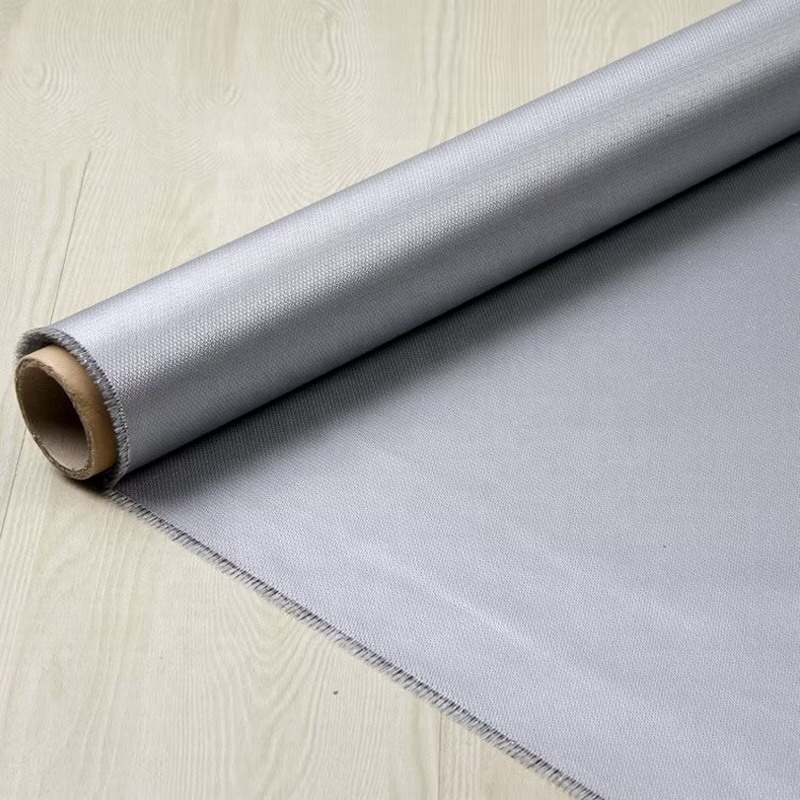
To understand why fiberglass fabric silicone coating is preferred over other fireproof materials, it’s essential to break down its unique composition and performance advantages. Fiberglass itself is a non-combustible material, meaning it does not ignite or contribute to flame spread when exposed to fire. When coated with high-quality silicone, this base material gains enhanced fire resistance, thermal stability, and resistance to moisture, chemicals, and UV radiation. Below is a detailed analysis of its key benefits, supported by data and comparisons to highlight why it outshines alternatives like uncoated fiberglass, PVC fabrics, and metal sheets.
The primary appeal of fiberglass fabric silicone coating is its ability to withstand extreme temperatures and prevent fire propagation. Unlike organic materials (e.g., cotton, polyester) that burn rapidly and release toxic fumes, fiberglass fabric silicone coating remains stable even in the most intense heat. Industry testing reveals the following critical performance metrics:
Continuous operating temperature: 250°C–300°C (ideal for applications like boiler insulation and HVAC systems that generate sustained heat).
Short-term flame exposure: Withstands 550°C–1000°C for up to 15–30 minutes, providing critical time for evacuation and fire suppression in emergency scenarios.
Fire classification: Meets global standards such as GB8624-2006 (China, Class A2 non-combustible) and UL 94 V-0 (U.S., self-extinguishing within 10 seconds), ensuring compliance with strict safety regulations.
To put this into perspective, compare fiberglass fabric silicone coating to common alternatives using the table below:
| Material | Maximum Continuous Temperature | Flame Spread Rating | Toxic Fume Emission | Reusability After Fire Exposure |
|---|---|---|---|---|
| Fiberglass Fabric Silicone Coating | 250–300°C | 0 (non-combustible) | None | Yes (if not physically damaged) |
| Uncoated Fiberglass Fabric | 200–250°C | 0 (non-combustible) | None | Limited (absorbs moisture/chemicals) |
| PVC-Coated Fabric | 60–80°C | High (spreads flames) | Yes (releases chlorine gas) | No (melts and degrades) |
| Metal Sheets (Steel/Aluminum) | 300–500°C | 0 (non-combustible) | None | No (warps/bends under extreme heat) |
As the table shows, fiberglass fabric silicone coating outperforms uncoated fiberglass in temperature resistance and durability, while avoiding the flammability and toxic emissions of PVC. Unlike metal, it remains flexible even at high temperatures, making it suitable for curved surfaces (e.g., pipeline wrapping) and applications where rigidity would be a liability. This combination of fire safety, flexibility, and thermal stability is why it’s the top choice for high-temperature resistant fabric needs.
Another key advantage of fiberglass fabric silicone coating is its adaptability to diverse applications. Its flexibility, lightweight design, and customizable properties (e.g., thickness, coating type) make it suitable for nearly every industry where fire safety is critical. Below are the most common use cases, each highlighting how it addresses specific fire protection needs:
Construction: Used as fire curtains, wall and ceiling insulation, and elevator shaft barriers. As a flame-retardant fabric, it prevents fire from spreading between building compartments, giving occupants more time to evacuate. For example, commercial high-rises rely on fiberglass fabric silicone coating fire curtains to seal off stairwells during a fire, reducing smoke inhalation risks and slowing flame progression.
Industrial Manufacturing: Ideal for equipment insulation (boilers, turbines, furnaces), welding blankets, and chemical plant safety barriers. Its resistance to chemicals and high heat makes it perfect for protecting workers and machinery in environments where flammable materials are present.
Automotive/Aerospace: Used in EV battery fire blankets, engine heat shields, and aircraft cabin fire barriers. EV manufacturers, in particular, prioritize fiberglass fabric silicone coating because it can withstand the intense heat of lithium-ion battery fires (up to 800°C) without melting or releasing toxic fumes.
Marine: Applied as bulkhead insulation and fire-resistant covers for ships and offshore platforms. Its moisture resistance (a benefit of silicone coating) prevents mold growth and degradation in humid marine environments, while its fireproof properties comply with International Maritime Organization (IMO) safety standards.
Investing in fiberglass fabric silicone coating isn’t just a safety decision—it’s a financial one. Unlike temporary fireproof solutions (e.g., disposable fire blankets) that need frequent replacement, fiberglass fabric silicone coating is built to last. Its key durability features include:
Resistance to wear and tear: The silicone coating protects the fiberglass base from abrasion, tearing, and fraying, even in high-traffic or high-stress environments.
Moisture and UV resistance: Silicone repels water and prevents UV degradation, making outdoor applications (e.g., pipeline wrapping, outdoor fire barriers) feasible without frequent maintenance.
Chemical resistance: Withstands exposure to acids, alkalis, oils, and solvents, ensuring performance in industrial settings where harsh chemicals are present.
A cost-analysis study of industrial fire protection materials found that fiberglass fabric silicone coating has a lifespan of 5–10 years, compared to 1–3 years for PVC-coated fabrics and 2–4 years for uncoated fiberglass. When factoring in replacement costs, labor for installation, and downtime during replacements, fiberglass fabric silicone coating offers a 30–40% lower total cost of ownership over a decade. This durability, combined with its fire safety benefits, makes it the most cost-effective long-term solution for businesses.

Not all fiberglass fabric silicone coating products are created equal. To ensure you’re investing in a reliable fireproof fiberglass fabric, it’s critical to evaluate specific features that directly impact performance and safety. Below is a checklist of must-have attributes, along with guidance on how to verify them:
The silicone coating is the backbone of the material’s fire resistance—poor coating quality leads to uneven protection and premature failure. Look for:
Full coverage: The silicone should encapsulate the fiberglass fibers evenly, with no gaps, bubbles, or thin spots. A simple visual inspection of samples can reveal defects; avoid products with visible fiberglass threads poking through the coating.
Adhesion strength: The coating should bond tightly to the fiberglass base. To test this, rub a sample vigorously with a dry cloth—if silicone peels off, the product is low-quality. High-quality fiberglass fabric silicone coating will retain its coating even after repeated abrasion.
Coating thickness: Opt for a coating thickness of 0.2–0.5 mm (single-side) or 0.4–1.0 mm (double-side). Thicker coatings offer better fire resistance and durability but may reduce flexibility—balance thickness with your project’s needs (e.g., double-side coating for outdoor use, single-side for indoor insulation).
The weight of the fiberglass base (measured in g/m²) directly impacts the material’s strength and insulation capabilities. Choose a weight that aligns with your application:
Lightweight (250–480 g/m²): Ideal for flexible applications like fire blankets, EV battery covers, and small-scale insulation. Offers easy handling and sewing without compromising fire safety.
Medium-weight (510–860 g/m²): Balanced strength and flexibility, suitable for fire curtains, pipeline wrapping, and HVAC insulation.
Heavyweight (1050–1550 g/m²): High tensile strength (≥300 N/5cm warp and weft) for heavy-industrial use, such as boiler insulation, welding blankets, and large-scale fire barriers.
Tensile strength is particularly important for applications where the fabric will be stretched or exposed to mechanical stress. Reputable manufacturers provide tensile strength data in technical sheets—ensure the product meets or exceeds your project’s requirements (e.g., ≥400 N/5cm for high-stress industrial use).
A reliable fiberglass fabric silicone coating must hold recognized fire safety certifications to validate its performance. Key certifications to verify include:
GB8624-2006 (China): Classifies materials as A2 (non-combustible) or B1 (flame-retardant). Required for building and industrial projects in China.
ISO 1182 (International): Tests non-combustibility by exposing the material to 750°C for 30 minutes. A passing grade confirms the material does not ignite or contribute to flame spread.
UL 94 (U.S.): Rates flame retardancy based on vertical burning tests. UL 94 V-0 (self-extinguishing within 10 seconds) is the highest rating for fire safety and is mandatory for electrical and automotive applications.
IMO FTP Code (Marine): For marine projects, ensure compliance with the International Maritime Organization’s Fire Test Procedure Code, which tests fire resistance in shipboard environments.
Avoid products without clear certification—they may fail to meet safety regulations, putting your project at risk of fines or liability in the event of a fire.
Every fire protection project has unique requirements, so the ability to customize fiberglass fabric silicone coating is a valuable feature. Look for manufacturers that offer:
Size customization: Cut-to-order widths (1–5 meters) and lengths to reduce waste and fit specific applications (e.g., custom-sized fire curtains for irregularly shaped rooms).
Color options: Color-coded fabrics (e.g., red for high-temperature zones, gray for general use) to simplify installation and maintenance.
Hybrid coatings: For specialized needs, hybrid coatings (e.g., silicone + PTFE for chemical resistance, silicone + aluminum foil for enhanced insulation) can tailor the material to your environment.
The fire safety industry is constantly evolving, and fiberglass fabric silicone coating is no exception. Manufacturers are innovating to meet emerging needs, such as sustainability, smarter safety features, and compatibility with advanced technologies. Below are the top trends shaping the market in 2025:
As global sustainability regulations (e.g., EU’s REACH, California’s CARB) become stricter, demand for eco-friendly fireproof fiberglass fabric is rising. Manufacturers are now producing fiberglass fabric silicone coating with:
Low-VOC silicone: Volatile organic compounds (VOCs) are harmful to the environment and human health. New silicone formulations reduce VOC emissions by 50–70% during production and use, making them suitable for green buildings and indoor applications.
Recyclable fiberglass bases: Advanced manufacturing processes now allow fiberglass fibers to be recycled at the end of the fabric’s lifespan, reducing landfill waste. Some manufacturers even offer take-back programs for old or damaged fabric, further minimizing environmental impact.
Energy-efficient production: Facilities are adopting renewable energy sources (solar, wind) to power manufacturing, lowering the material’s carbon footprint. This trend not only appeals to eco-conscious businesses but also helps reduce long-term costs.
The rise of the Internet of Things (IoT) has led to the development of “smart” fiberglass fabric silicone coating that goes beyond passive fire protection. These innovative products integrate:
Heat sensors: Embedded sensors detect temperature spikes and send real-time alerts to facility managers, allowing for early fire detection and rapid response.
Smoke detectors: Some fabrics are engineered to release a non-toxic gas or trigger an alarm when exposed to smoke, enhancing safety in remote or hard-to-monitor areas (e.g., industrial storage rooms).
Data logging: IoT-enabled fabric collects data on temperature exposure, wear, and performance over time, helping businesses schedule maintenance proactively and extend the material’s lifespan.
This trend is particularly popular in industrial settings and smart buildings, where proactive safety management is a priority. Google users searching for “advanced fireproof solutions” are increasingly drawn to these smart features, making them a key differentiator for fiberglass fabric silicone coating products.
The growth of electric vehicles (EVs) and renewable energy (solar, wind) has created new demand for high-temperature resistant fabric that can withstand the unique challenges of these industries. Fiberglass fabric silicone coating is now being tailored to:
EV battery safety: Lithium-ion battery fires generate extreme heat (up to 1000°C) and require materials that can contain flames without melting. New formulations of fiberglass fabric silicone coating offer short-term heat resistance of 1200°C, making them ideal for battery fire blankets and thermal management systems.
Solar panel insulation: Solar farms and rooftop solar systems need fireproof materials that can withstand UV radiation and temperature fluctuations. Fiberglass fabric silicone coating with enhanced UV resistance protects wiring and components from overheating and fire risks.
Wind turbine safety: Wind turbine nacelles generate significant heat during operation. Custom-cut fiberglass fabric silicone coating insulation prevents fire spread and protects critical components, ensuring uninterrupted energy production.
Fiberglass fabric silicone coating and aramid fabrics both offer fire resistance, but they differ in key areas:
Temperature resistance: Fiberglass fabric silicone coating withstands 250–300°C continuously (550–1000°C short-term), while aramid maxes out at 200–250°C.
Cost: Aramid is 2–3x more expensive than fiberglass fabric silicone coating, making it less feasible for large-scale applications.
Durability: Fiberglass fabric silicone coating is more resistant to chemicals and UV radiation, while aramid is prone to degradation in harsh environments.
Choose fiberglass fabric silicone coating for high-temperature, cost-sensitive, or outdoor projects; aramid is better for applications requiring extreme tensile strength (e.g., fireproof clothing).
Yes—fiberglass fabric silicone coating is non-toxic and does not release harmful fumes when exposed to heat or fire, making it safe for indoor applications like office buildings, schools, and hospitals. As a flame-retardant fabric, it meets strict indoor air quality standards (e.g., GREENGUARD Gold) and does not contribute to respiratory issues. For added safety, ensure the product is certified to GB8624-2006 A2 or UL 94 V-0, which confirm low smoke emission and no toxic byproducts.
Absolutely—high-quality fiberglass fabric silicone coating is designed for outdoor use, thanks to its silicone coating’s resistance to moisture, UV radiation, and extreme weather. It’s commonly used for outdoor pipeline wrapping, construction site fire barriers, and marine applications. To maximize longevity outdoors, opt for double-side silicone coating (for full protection) and ensure the product has UV resistance certification (e.g., ISO 4892 for accelerated weathering testing).
Maintenance is simple and low-cost:
Regular cleaning: Wipe the fabric with a damp cloth to remove dust, dirt, or chemical residues. Avoid harsh cleaners (e.g., bleach) that can damage the silicone coating.
Inspect for damage: Check for tears, fraying, or coating peeling annually. Small damages can be repaired with silicone patch kits to prevent further degradation.
Store properly: If not in use, store the fabric in a dry, cool area away from direct sunlight and sharp objects. Roll (don’t fold) to avoid creases that can weaken the material.
With proper maintenance, fiberglass fabric silicone coating can last 5–10 years, delivering consistent fire protection throughout its lifespan.
The ideal thickness depends on your application:
Thin (0.2–0.4 mm coating): Suitable for lightweight applications like fire blankets, EV battery covers, and indoor insulation. Offers flexibility and easy handling.
Medium (0.4–0.7 mm coating): Best for fire curtains, pipeline wrapping, and general industrial use. Balances protection and flexibility.
Thick (0.7–1.0 mm coating): For heavy-industrial applications (boiler insulation, welding blankets) and extreme heat exposure. Provides maximum fire resistance and durability.
Additionally, consider the fiberglass base weight: lighter weights (250–480 g/m²) for flexibility,


