

close
Choose Your Site
Global
Social Media
Views: 0 Author: Site Editor Publish Time: 2025-10-26 Origin: Site


Imagine a material that can withstand extreme heat, resist chemicals, and last in tough conditions. That's fiberglass tape for you! This versatile tool is essential in many industrial settings, providing reinforcement and protection. In this article, you'll learn about the top 5 applications of fiberglass tape and its significance in various industries.
Fiberglass tape is a strong, flexible material made by weaving fine glass fibers into a fabric-like strip. This strip often gets coated with resin or adhesive to boost its strength and stickiness. It acts like a tough bandage, reinforcing or protecting surfaces in many industries. Unlike regular tapes, fiberglass tape resists heat, moisture, and chemicals, making it perfect for harsh environments. You’ll find it in construction, electrical work, automotive repairs, and even arts and crafts.
Fiberglass tape stands out because of several important properties:
High Tensile Strength: It can handle heavy loads without breaking, which helps reinforce structures.
Heat Resistance: It tolerates high temperatures, ideal for electrical insulation or hot industrial settings.
Chemical Resistance: It doesn’t degrade easily when exposed to oils, solvents, or acids.
Electrical Insulation: It prevents electrical currents from leaking, making it safe for wiring.
Flexibility: It bends and conforms to uneven surfaces, ensuring a tight fit.
Durability: It lasts long in tough conditions, resisting wear and tear.
These properties make it a versatile choice for industries needing reliable reinforcement and protection.
Fiberglass tape comes in various types, each designed for specific uses:
Woven Fiberglass Tape: Made from tightly woven fibers, it provides excellent strength and stability. Common in construction and structural repairs.
Non-Woven Fiberglass Tape: Has a felt-like texture, offering good flexibility and cushioning. Often used for insulation and sealing.
Self-Adhesive Fiberglass Tape: Comes with a sticky backing, making it easy to apply without extra glue. Popular for quick fixes and electrical insulation.
Resin-Coated Fiberglass Tape: Pre-impregnated with resin to speed up curing during repairs, especially in automotive or aerospace.
High-Temperature Fiberglass Tape: Designed to withstand extreme heat, suitable for electrical and industrial machinery.
Choosing the right type depends on the application, environmental conditions, and performance needs.
Fiberglass tape plays a vital role in electrical insulation and protection across various industrial settings. Its unique properties make it an excellent choice for safeguarding electrical systems against heat, moisture, and mechanical damage.
Fiberglass tape acts as a reliable insulating layer around wires, cables, and electrical components. Its high dielectric strength prevents electrical currents from leaking or short-circuiting, ensuring safe operation. It’s commonly used to wrap motor windings, transformers, and high-voltage cables, where durability and heat resistance are critical. Unlike conventional tapes, fiberglass tape maintains its insulating properties even under continuous exposure to elevated temperatures, which helps prevent electrical failures and hazards.
The renewable energy sector increasingly relies on fiberglass tape for insulation and protection. Solar farms, wind turbines, and battery systems demand materials that withstand harsh outdoor conditions and temperature fluctuations. Fiberglass tape’s resistance to UV radiation, moisture, and chemicals makes it ideal for these applications. It enhances system reliability and reduces maintenance costs by protecting electrical connections and components from corrosion and wear. As renewable energy installations grow, the demand for high-performance insulation materials like fiberglass tape continues to rise.
Safety is paramount in electrical environments. Fiberglass tape improves safety by providing robust insulation that resists cracking, peeling, or degradation over time. Its flame-retardant nature further reduces fire risks in electrical assemblies. Additionally, its long lifespan means fewer replacements and less downtime, which is crucial for industrial operations. Using fiberglass tape helps companies comply with strict safety standards and regulations, ensuring systems remain secure and functional under demanding conditions.
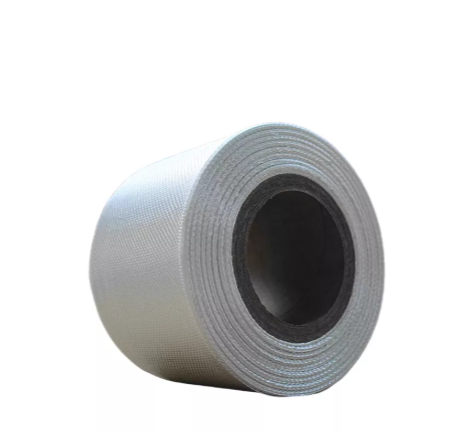
Fiberglass tape serves as a powerful tool for structural reinforcement in construction. Its unique strength and flexibility help enhance the load-bearing capacity of various building materials, making structures safer and more durable.
When applied to concrete, drywall, or masonry, fiberglass tape helps distribute stress evenly, preventing cracks and structural failure. It acts like a reinforcing mesh, strengthening weak spots and extending the lifespan of walls, ceilings, and floors. Contractors often embed fiberglass tape within plaster or joint compounds to improve tensile strength and reduce shrinkage cracks. This reinforcement reduces costly repairs and maintenance over time.
In bridge construction and repair, fiberglass tape reinforces joints and expansion gaps, helping them withstand heavy traffic loads and environmental stress. Its resistance to moisture and chemicals prevents corrosion, a common issue with metal reinforcements. This makes fiberglass tape an excellent alternative or complement to traditional materials, especially in harsh environments.
Areas prone to earthquakes benefit greatly from fiberglass tape reinforcement. Its high tensile strength and flexibility allow buildings to absorb and dissipate seismic energy, reducing damage during tremors. Engineers use fiberglass tape to strengthen critical structural elements like beams, columns, and walls, enhancing overall stability.
In seismic retrofitting projects, applying fiberglass tape combined with epoxy resins creates a lightweight yet robust reinforcement layer. This method is faster and less invasive than traditional steel bracing, minimizing downtime and disruption. Additionally, fiberglass tape does not add significant weight, which is crucial for maintaining structural balance in earthquake-prone zones.
Fiberglass tape contributes to sustainable construction by extending the service life of buildings and reducing resource consumption. Its durability means fewer repairs and replacements, lowering the environmental footprint over a structure’s lifecycle. Moreover, fiberglass tape is corrosion-resistant and non-toxic, making it a safer choice for indoor and outdoor applications.
Builders increasingly incorporate fiberglass tape into green building designs to meet sustainability standards. It supports the creation of resilient structures that withstand natural disasters, extreme weather, and aging. This aligns with global trends toward eco-friendly materials and sustainable infrastructure development.
Fiberglass tape is a game-changer in automotive and aerospace industries. Its combination of lightweight and high strength makes it perfect for quick repairs and reinforcement in these sectors.
In automotive repair shops and aerospace maintenance, time is critical. Fiberglass tape allows technicians to patch damaged panels, reinforce joints, and secure wiring harnesses swiftly. It bonds firmly to surfaces, creating a durable repair that can withstand stress and vibration. For example, minor cracks in composite body panels or airplane interior parts get reinforced quickly without the need for full part replacement.
This tape also supports structural repairs during manufacturing or in-field servicing. It strengthens areas prone to wear, helping vehicles and aircraft maintain integrity and safety. Its flexibility helps it conform to curved or uneven surfaces, making it easy to apply in tight spaces.
Weight reduction is a top priority in automotive and aerospace design. Fiberglass tape adds reinforcement without significant weight, unlike metal patches or heavy mechanical fasteners. This contributes to better fuel efficiency and improved performance.
Despite being lightweight, fiberglass tape offers excellent tensile strength and impact resistance. It helps maintain structural integrity under dynamic loads and harsh conditions. This makes it ideal for reinforcing composite materials, which are increasingly common in modern vehicles and aircraft.
As the automotive and aerospace industries move towards electrification, fiberglass tape's role expands. Electric vehicles (EVs) and electric aircraft require materials that insulate electrical components while providing mechanical support. Fiberglass tape meets these needs with its electrical insulation and heat resistance.
It helps protect battery packs, wiring, and electronic modules from heat and mechanical damage. Its ability to withstand high temperatures ensures safety and reliability in electric powertrains. As electrification grows, demand for high-performance fiberglass tape in these sectors will continue to rise.
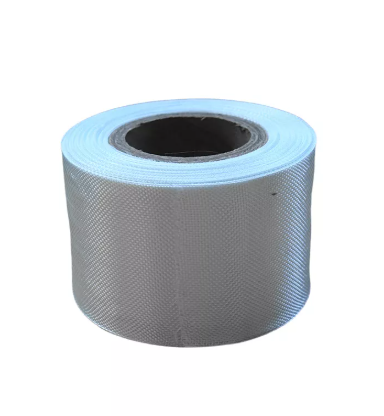
Fiberglass tape is not just for heavy industry. It has found a special place in arts, crafts, and DIY projects because of its unique texture, durability, and versatility.
Artists and crafters use fiberglass tape to add texture and strength to their work. When layered with resin or paint, it creates a rough, tactile surface perfect for sculptures or mixed media art. The tape’s woven fibers give projects a distinctive pattern that stands out. For example, some artists apply fiberglass tape over canvas or wood to build up a strong base that holds paint better and lasts longer. This method also helps prevent cracking or warping in finished pieces.
Fiberglass tape offers durability that many other tapes or fabrics can’t match. It resists tearing, moisture, and heat, so artworks or craft items last longer even under tough conditions. This makes it ideal for projects like handmade furniture, decorative panels, or outdoor sculptures. Crafters appreciate that it holds up well to repeated handling, bending, or exposure to the elements. Its resistance to chemicals also means it pairs well with a variety of adhesives, paints, and finishes without losing strength.
The DIY community increasingly favors fiberglass tape for personalized projects. Its flexibility lets hobbyists shape it around curves or uneven surfaces easily. Plus, new versions come in different colors or with self-adhesive backings, simplifying application. People use it to reinforce custom costumes, repair sporting gear, or create unique home décor items. The tape’s lightweight nature means it adds strength without bulk, which is handy for wearable crafts.
Moreover, as sustainability becomes more important, some manufacturers now offer eco-friendlier fiberglass tapes that reduce environmental impact. This trend appeals to artists and makers focused on greener materials.
Fiberglass tape excels in protective coatings and surface sealing, especially in harsh industrial environments. Its resilience to extreme conditions makes it a trusted material for safeguarding equipment, structures, and pipelines.
Industries such as chemical processing, marine, and oil and gas face tough challenges like corrosion, moisture, and mechanical wear. Fiberglass tape resists these threats effectively. It forms a strong barrier against water, chemicals, and abrasion, maintaining surface integrity over time. For example, wrapping pipes or tanks with fiberglass tape helps prevent damage caused by saltwater exposure or chemical spills. Its heat resistance also allows it to perform well in high-temperature settings, such as refineries or power plants.
Corrosion causes costly downtime and repairs. Fiberglass tape acts as a protective shield that slows or stops corrosion by sealing surfaces tightly. It fills gaps and covers joints, preventing moisture and contaminants from penetrating. This sealing ability reduces leaks in pipelines and tanks, enhancing operational safety. In maintenance, applying fiberglass tape to worn or cracked areas extends service life without full replacements. This approach saves time and money while improving reliability.
As industries prioritize sustainability, eco-friendly fiberglass tapes gain attention. Manufacturers develop formulations using less harmful resins and adhesives that lower environmental impact. These tapes maintain high performance while meeting stricter regulations on volatile organic compounds (VOCs) and hazardous substances. Using eco-conscious fiberglass tape supports green initiatives and helps companies comply with environmental standards. This trend is especially important in sectors like renewable energy and water treatment, where sustainability is a core value.
Fiberglass tape is versatile, serving crucial roles in electrical insulation, construction reinforcement, automotive repairs, arts, and protective coatings. As industries evolve, its demand is set to grow, especially in renewable energy and electrification. Jiangxi Mingchen New Materials Co., Ltd. offers high-quality fiberglass tape, ensuring durability and safety across applications. Their innovative products meet diverse industrial needs, enhancing performance and reliability. Fiberglass tape remains a valuable asset in modern industrial settings, promising continued relevance and utility.
A: Fiberglass Tape is used for electrical insulation, structural reinforcement, quick repairs, protective coatings, and arts and crafts projects due to its strength, heat resistance, and durability.
A: Fiberglass Tape enhances safety by providing robust insulation that prevents electrical currents from leaking and resists heat, reducing fire risks and ensuring system reliability.
A: Fiberglass Tape is preferred for its high tensile strength and flexibility, which help distribute stress evenly, prevent cracks, and extend the lifespan of structures, especially in seismic zones.
A: Fiberglass Tape offers lightweight reinforcement, high strength, quick repair capabilities, and supports electrification by insulating components and maintaining structural integrity.
A: Fiberglass Tape contributes by extending the service life of structures, reducing resource consumption, and offering eco-friendly formulations that align with sustainability standards.


