

close
Choose Your Site
Global
Social Media
Views: 0 Author: Site Editor Publish Time: 2025-11-09 Origin: Site


Why is fiberglass fabric favored for high-performance applications? Its unique properties set it apart. In this post, you'll learn why fiberglass fabric excels in strength, thermal insulation, and durability, making it indispensable across various industries.
Fiberglass fabric is made from extremely fine strands of glass drawn into continuous filaments. These filaments are bundled into yarns and woven into fabrics, creating a material that combines the strength of glass with the flexibility of cloth. The primary component of fiberglass is silica (SiO₂), the same mineral found in natural glass. To improve performance, manufacturers add other oxides such as alumina (Al₂O₃) for strength, calcium oxide (CaO) for chemical resistance, and magnesium oxide (MgO) for heat stability.The weaving process traps tiny air pockets between the fibers, which enhances thermal insulation. This combination of chemical composition and woven structure gives fiberglass fabric its unique properties: high strength, flexibility, and excellent resistance to heat and chemicals.
Fiberglass fabric stands out due to several important properties:
Thermal Insulation: It has very low thermal conductivity, typically between 0.035 to 0.04 W/m·K. This means it slows heat transfer, making it an effective heat barrier.
Non-Combustibility: Fiberglass does not burn or support combustion. Instead, it withstands high temperatures and only melts at very high heat, which makes it ideal for fire protection.
Mechanical Strength: It resists impacts, tensile stress, and vibrations. Its strength-to-weight ratio often exceeds that of steel.
Chemical Resistance: It withstands acids, solvents, and moisture without degrading.
Lightweight: Despite its strength, fiberglass fabric is lightweight, which makes it easy to handle and use in various applications.
Electrical Insulation: Being non-conductive, it is safe for electrical insulation and electronic components.
Durability: It maintains dimensional stability under temperature and humidity changes and resists corrosion in harsh environments.
These properties make fiberglass fabric a versatile material used in many industries. It serves as thermal insulation, fire protection, reinforcement in composites, and protective clothing.
Fiberglass fabric excels as a thermal insulator due to its unique composition and structure. The fine glass fibers are woven tightly, trapping tiny air pockets within the fabric. Air acts as a natural insulator because it slows heat transfer, so these pockets significantly reduce the flow of heat through the material. This means fiberglass fabric can keep heat out or in, depending on the application.Additionally, the glass fibers themselves have low thermal conductivity, typically around 0.035 to 0.04 W/m·K, which is much lower than metals. This low conductivity means heat moves very slowly through fiberglass fabric, making it ideal for use in high-temperature environments. Whether used to insulate pipes, protect machinery, or shield workers, fiberglass fabric helps maintain safe temperatures and improves energy efficiency.
Fiberglass fabric is inherently fire-resistant because glass fibers do not burn or support combustion. Unlike organic fabrics such as cotton or polyester, fiberglass won’t ignite or produce flames when exposed to heat or sparks. Instead, it withstands extreme temperatures and only melts at very high heat, typically above 1,000°C (1,832°F).This non-combustibility makes fiberglass fabric perfect for fire protection gear and industrial safety applications. It can resist sparks, molten metal splashes, and radiant heat without degrading, which is why it’s commonly used in welding blankets, fire curtains, and protective clothing for firefighters and metalworkers.Moreover, some fiberglass fabrics come with special coatings or treatments that enhance their fire resistance even further. These coatings can help spread heat evenly across the surface, prevent flaking, and improve durability under repeated exposure to high temperatures.
Fiberglass fabric stands out for its impressive mechanical strength, making it ideal for high-performance applications where durability matters. The continuous glass fibers woven into the fabric provide excellent tensile strength, often surpassing steel when compared by weight. This means fiberglass fabric can withstand heavy loads and resist stretching or breaking under tension.Its impact resistance is also notable. When subjected to shocks or sudden forces, fiberglass fabric absorbs and disperses energy effectively, reducing the risk of cracks or fractures. This makes it suitable for protective gear, structural reinforcements, and components exposed to mechanical stress.The combination of tensile strength and impact resistance ensures that fiberglass fabric maintains its structural integrity even under demanding conditions. It resists deformation and damage, which prolongs the lifespan of products made from it.
Fiberglass fabric excels in harsh environments where other materials might fail. It resists corrosion from chemicals, moisture, and salt, making it perfect for marine, chemical processing, and outdoor applications. Unlike metals, it does not rust or degrade over time when exposed to humidity or aggressive substances.Temperature extremes also have little effect on fiberglass fabric’s durability. It retains strength and flexibility in both very cold and very hot conditions, often tolerating temperatures from below freezing to over 600°C (1,112°F) depending on the type. This thermal stability prevents cracking or brittleness caused by thermal cycling.
Additionally, fiberglass fabric resists UV radiation, which can degrade many polymers and fabrics. This resistance helps maintain its mechanical properties and appearance when used outdoors or in direct sunlight.Thanks to these qualities, fiberglass fabric is used in aerospace, automotive, construction, and industrial sectors where materials must perform reliably over long periods despite exposure to tough conditions.
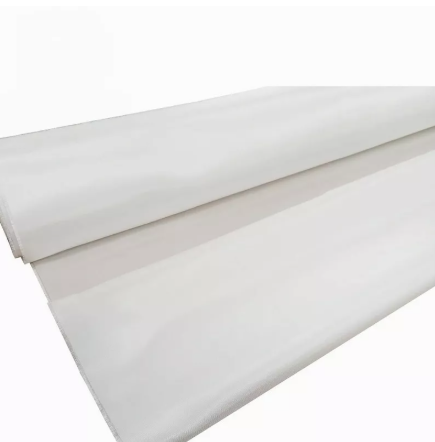
Fiberglass fabric has become a staple in aerospace and automotive sectors due to its outstanding strength-to-weight ratio. In aerospace, it reduces the overall weight of aircraft, which improves fuel efficiency and extends range. Components like air ducts, interior panels, and fairings often use fiberglass composites for these reasons. Its resistance to heat and corrosion also helps protect sensitive parts from harsh conditions at high altitudes or under the hood.
In automotive manufacturing, fiberglass fabric is used in body panels, door components, and structural reinforcements. It helps lower vehicle weight without sacrificing safety or durability. This results in better fuel economy and improved handling. Fiberglass also offers excellent resistance to rust and chemicals, which extends the lifespan of automotive parts exposed to road salts and fluids.Both industries benefit from fiberglass’s ability to be molded into complex shapes, allowing designers to optimize aerodynamics and aesthetics. Moreover, fiberglass composites absorb vibrations and noise, enhancing passenger comfort.
In construction, fiberglass fabric is valued for its thermal insulation and corrosion resistance. It is commonly integrated into roofing materials, insulation wraps, and concrete reinforcements. Its durability in moist or chemically aggressive environments makes it ideal for infrastructure such as bridges, tunnels, and water treatment plants.Fiberglass mesh is used to strengthen stucco, plaster, and cement, preventing cracks and increasing longevity. Its non-conductive nature also makes it a safe choice for electrical insulation in building systems.
Outdoor infrastructure benefits from fiberglass’s UV resistance and dimensional stability. It withstands temperature swings and weathering without losing strength or shape. This reliability reduces maintenance costs and extends service life.In summary, fiberglass fabric supports safer, lighter, and longer-lasting products in aerospace, automotive, construction, and infrastructure. Its unique combination of mechanical strength, thermal resistance, and corrosion protection makes it indispensable in these demanding fields.
Fiberglass fabric comes in several types, each designed for specific performance needs. The two most common are E-glass and S-glass.
E-Glass (Electrical Glass): This is the most widely used type of fiberglass. It offers a great balance of strength, durability, and cost-effectiveness. E-glass contains oxides like silica, alumina, calcium, and magnesium, which provide good chemical resistance and thermal stability. It’s commonly used in construction, automotive parts, and electrical insulation because it resists corrosion and has excellent insulating properties.
S-Glass (Structural Glass): S-glass is stronger and more impact-resistant than E-glass. It contains more alumina, which boosts its tensile strength and temperature resistance. This makes it ideal for aerospace, military, and high-performance sporting goods where strength and weight are critical. It also performs better under high stress and heat compared to E-glass.
Other varieties include:
A-Glass: Known for thermal insulation, often used in building materials and marine applications.
C-Glass: Offers superior corrosion resistance, perfect for chemical storage tanks and piping.
D-Glass: Has excellent dielectric properties, used in telecommunications and electronics.
AR-Glass (Alkali Resistant): Designed to resist alkaline environments, commonly used in concrete reinforcement.
Each type has unique properties that suit different industries and environments.
Selecting the proper fiberglass depends on the application’s requirements:
For general construction and insulation, E-glass is usually the best choice due to its cost-effectiveness and balanced performance.
In aerospace or military applications, where high strength-to-weight ratio and durability are critical, S-glass is preferred.
For chemical exposure or marine environments, C-glass or AR-glass provide better corrosion resistance.
When electrical insulation or signal integrity is important, D-glass offers superior dielectric properties.
For reinforcing concrete or cement, AR-glass extends the lifespan by resisting alkaline damage.
Manufacturers also consider factors like fabric weave, thickness, and any coatings or treatments that enhance performance. For example, thicker weaves improve impact resistance, while specialized coatings can boost fire resistance or moisture protection.By understanding the strengths and limitations of each fiberglass type, engineers and designers can make informed choices that optimize performance, safety, and cost.
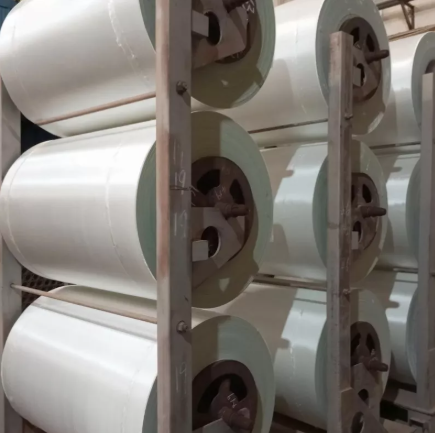
Fiberglass recycling has gained momentum as industries aim to reduce waste and embrace sustainability. Unlike metals or plastics, fiberglass is a composite material, making recycling more complex. However, several methods have been developed to recover and reuse fiberglass effectively.One common recycling process is mechanical grinding, where scrap fiberglass is crushed into small particles or powders. These recycled materials can then be used as fillers or reinforcements in new composite products, reducing the need for virgin glass fibers.
Another approach is thermal recycling, which involves heating fiberglass waste to break down the resin matrix and recover clean glass fibers. These fibers retain much of their original strength and can be reused in manufacturing new fiberglass products.Chemical recycling methods use solvents or chemical agents to dissolve the resin, freeing the glass fibers. Although still emerging, this technique offers the potential for higher-quality fiber recovery.Companies also focus on repurposing fiberglass waste by incorporating it into cement, concrete, or asphalt mixtures. This not only diverts waste from landfills but also enhances the mechanical properties of construction materials.
Recycling programs often collect scrap from manufacturing processes, end-of-life products like wind turbine blades, and demolition debris. These initiatives help close the loop, supporting a circular economy in fiberglass production and use.
Fiberglass offers several environmental advantages, especially when recycled materials are integrated into production cycles.
Resource Conservation: Using recycled glass fibers reduces demand for raw materials such as silica sand and lowers energy consumption in fiber production.
Waste Reduction: Recycling fiberglass diverts significant volumes of waste from landfills, decreasing environmental pollution and land use.
Lower Carbon Footprint: Manufacturing fiberglass from recycled content emits fewer greenhouse gases compared to virgin fiber production.
Durability and Longevity: Fiberglass products last longer and resist corrosion, reducing the frequency of replacements and associated environmental impacts.
Energy Efficiency: Fiberglass’s excellent thermal insulation properties contribute to energy savings in buildings and industrial systems, lowering overall carbon emissions.
As industries adopt greener practices, the role of fiberglass in sustainable development grows. Innovations in recycling technology and product design aim to improve recyclability and reduce environmental footprints further.Manufacturers increasingly offer fiberglass fabrics made partly from recycled fibers. These products maintain high performance while supporting environmental goals. Moreover, regulatory pressures and customer demand drive continuous improvement in fiberglass sustainability.
In summary, effective recycling and the inherent benefits of fiberglass make it an eco-friendly choice for high-performance applications. Its durability, combined with growing circular economy practices, ensures fiberglass remains a sustainable material for the future.
Fiberglass fabric is ideal for high-performance applications due to its thermal insulation, mechanical strength, and durability in harsh environments. It offers benefits like fire resistance, lightweight structure, and excellent chemical resistance, making it versatile across industries. Future innovations in fiberglass recycling and sustainability promise even greater environmental benefits. Jiangxi Mingchen New Materials Co., Ltd. provides advanced fiberglass solutions that enhance product longevity and performance, meeting diverse industrial needs with cutting-edge technology and expertise.
A: Fiberglass fabric is composed of fine strands of glass drawn into filaments, woven into yarns. Its primary component is silica, with added oxides like alumina for strength and magnesium oxide for heat stability.
A: Fiberglass fabric offers thermal insulation by trapping air pockets within its weave, which slow heat transfer. The low thermal conductivity of glass fibers further enhances its insulating properties.
A: Fiberglass fabric is ideal for high-performance applications due to its high strength-to-weight ratio, thermal and chemical resistance, and non-combustibility, making it suitable for aerospace, automotive, and construction industries.
A: Fiberglass fabric often surpasses steel in strength-to-weight ratio, offering excellent tensile strength and impact resistance, making it a preferred choice for durable and lightweight applications.
A: Common types include E-glass for general use, S-glass for high strength, C-glass for corrosion resistance, and D-glass for electrical insulation, catering to diverse industry needs.
A: Yes, fiberglass fabric can be recycled through mechanical grinding, thermal recycling, and chemical processes, contributing to resource conservation and waste reduction.
A: Fiberglass fabric offers environmental benefits like energy efficiency through thermal insulation, durability reducing replacements, and a lower carbon footprint when recycled materials are used.


