

close
Choose Your Site
Global
Social Media
Views: 0 Author: Site Editor Publish Time: 2026-01-03 Origin: Site


In the realm of advanced industrial materials, the demand for products that can withstand extreme conditions such as high temperatures, fire exposure, and mechanical wear is rapidly increasing. Among these materials, basalt fabric tape has emerged as a critical component for ensuring durability, safety, and performance in a wide array of industrial applications. Its natural origin combined with superior physical properties makes it an excellent alternative to traditional materials like fireproof fiberglass fabric and flame-retardant fiberglass.
This article delves deeply into why basalt fabric tape is indispensable in high-performance industries. We will explore its unique properties, compare it to other materials, analyze its growing industrial applications, and review the latest technological advancements. All insights will be tailored to help engineers, procurement specialists, and industry professionals make informed decisions aligned with their project goals.
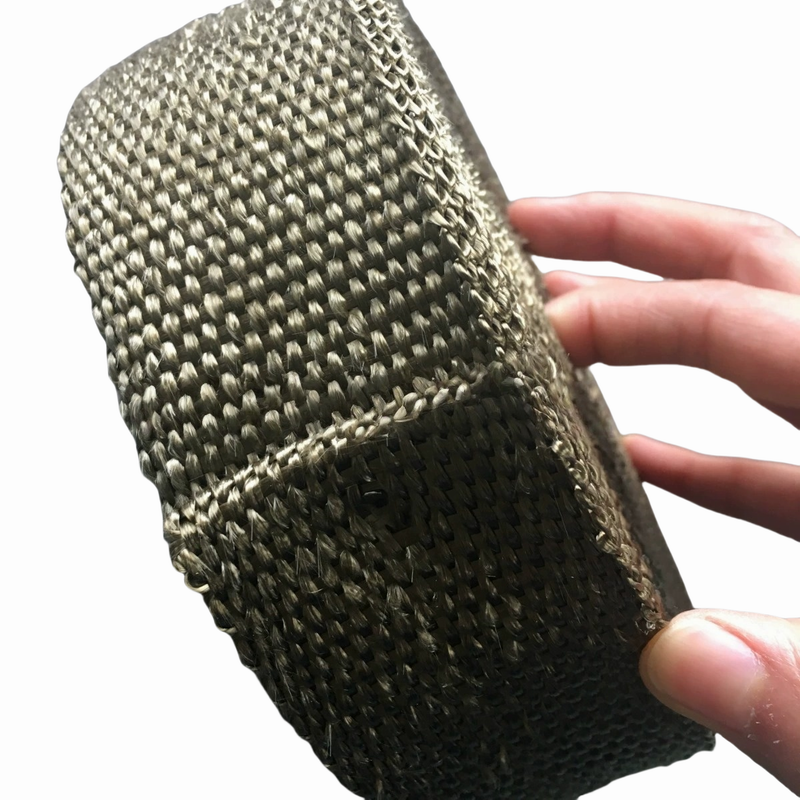
Basalt fabric tape is made from basalt fibers, which are derived from natural volcanic rock. The rock is melted at extremely high temperatures, then extruded into fine fibers and woven into tape form. This material is prized for its excellent thermal resistance, mechanical strength, and environmental friendliness.
Unlike synthetic fibers or traditional fiberglass, basalt fiber is a natural mineral fiber that offers superior resistance to heat and chemical corrosion. When processed into tape, it provides a versatile product ideal for wrapping, insulating, sealing, and reinforcing components in industrial systems.
| Property | Description |
|---|---|
| Maximum Service Temperature | Up to 650°C (1202°F), outperforming many fiberglass products |
| Tensile Strength | High tensile strength ensures durability under stress |
| Fire Resistance | Naturally fire-resistant, does not emit toxic gases when exposed |
| Chemical Resistance | Resistant to acids, alkalis, and moisture |
| Environmental Impact | Eco-friendly, made from abundant natural basalt rock |
| Electrical Insulation | Excellent electrical insulating properties |
| UV Resistance | Stable under long-term UV exposure |

The market for heat-resistant and flame-retardant materials has traditionally been dominated by fireproof fiberglass fabric and flame-retardant fiberglass. However, basalt fabric tape offers several distinct advantages:
Higher Temperature Resistance: Basalt fiber can sustain continuous exposure to temperatures up to 650°C, which is notably higher than many fiberglass materials rated around 500°C. This advantage is critical for applications like exhaust systems, furnace linings, and fire barriers.
Environmental and Health Safety: Unlike fiberglass, basalt fiber is a natural material without added chemicals. It does not release harmful dust or toxic fumes during processing or in the event of fire, making it safer for workers and the environment.
Superior Mechanical Properties: Basalt fibers exhibit better tensile strength and abrasion resistance compared to conventional fiberglass, resulting in longer service life and enhanced reliability.
Resistance to Chemical Corrosion: Basalt fabric tape withstands harsh chemicals better than many fiberglass alternatives, making it suitable for chemical plants and offshore applications.
Ease of Fabrication: The tape form allows for easy wrapping and installation, providing excellent coverage and adaptability to complex geometries.
| Industry | Application | Benefits |
|---|---|---|
| Automotive | Motor exhaust header wrapping, heat shields | High-temp resistance, vibration dampening |
| Fire Protection | Fire barriers, fireproof seals | Superior fire resistance, low smoke emission |
| Construction | Structural reinforcement, insulation | Enhanced mechanical strength, thermal insulation |
| Chemical Industry | Pipe insulation, corrosion protection | Chemical and moisture resistance |
| Electrical | Insulating wraps for cables and components | Electrical insulation, heat resistance |
| Aerospace | Thermal shielding, component wrapping | Lightweight, high thermal stability |
| Feature | Basalt Fabric Tape | Fireproof Fiberglass Fabric |
|---|---|---|
| Max Operating Temperature | 650°C | 500°C |
| Tensile Strength (MPa) | 2800 | 2000 |
| Environmental Safety | Natural, non-toxic | Synthetic with possible irritants |
| Chemical Resistance | High | Moderate |
| Flexibility | High (tape form) | Moderate (fabric form) |
| Fire Emissions | Minimal smoke & toxins | May emit irritants |
| Cost | Slightly higher | Moderate |
The basalt fabric tape industry continues to innovate with new developments enhancing performance and sustainability:
Hybrid Composite Materials: Combining basalt fibers with other high-performance fibers (like carbon or aramid) to create composite tapes with tailored mechanical and thermal properties.
Coated Basalt Tape: Application of silicone, polyurethane (PU), or other coatings to improve water resistance, chemical protection, and flexibility.
Nanotechnology Integration: Using nano-coatings and additives to enhance surface properties such as abrasion resistance and thermal insulation.
Sustainability Focus: Manufacturers increasingly emphasize eco-friendly production processes, leveraging basalt’s natural abundance to reduce environmental footprints.
Selecting the best basalt fabric tape requires understanding your specific application demands. Consider the following criteria:
Temperature Requirements: Determine the maximum operating temperature your tape must withstand.
Mechanical Load: Assess tensile and abrasion forces during use.
Chemical Exposure: Identify the presence of acids, solvents, or moisture that could degrade the tape.
Environmental Conditions: Consider UV exposure, weathering, and fire safety regulations.
Tape Dimensions: Choose appropriate width and thickness for ease of application and protection level.
Coating and Treatment: Decide if coated tape (e.g., silicone-coated) is necessary for added protection.
Supplier Reliability: Opt for suppliers with proven quality standards and technical support.
Basalt fabric tape is made from basalt fibers, which are derived from natural volcanic rock melted and spun into fibers, then woven into tape.
Basalt fabric tape offers higher temperature resistance (up to 650°C), better chemical resistance, and produces less harmful emissions in fires compared to traditional fiberglass fabrics.
Yes, basalt fibers provide excellent electrical insulating properties, making basalt fabric tape ideal for insulating cables and electrical components.
Absolutely, coatings like silicone or polyurethane can be applied to improve water resistance, flexibility, and chemical protection.
It is widely used in automotive exhaust wraps, fire protection systems, chemical plant insulation, aerospace thermal shielding, and electrical cable insulation.
Yes, since it is made from natural volcanic rock without added chemicals, basalt fabric tape is considered eco-friendly and safer to handle than some synthetic alternatives.
The growing demands of high-performance industrial applications necessitate materials that offer unparalleled heat resistance, mechanical durability, and environmental safety. Basalt fabric tape emerges as a superior choice, combining natural origin with outstanding technical properties. Its advantages over fireproof fiberglass fabric and flame-retardant fiberglass make it essential in industries ranging from automotive to aerospace.
With continuous technological advancements and increasing emphasis on sustainability, basalt fabric tape is set to play an even more prominent role in future industrial solutions. Choosing the right basalt tape tailored to your project requirements can significantly enhance safety, performance, and lifecycle costs.
Investing in basalt fabric tape means embracing a cutting-edge, reliable material that meets today’s industrial challenges with confidence and resilience.


